By using this site, you agree to the Privacy Policy and Terms of Use.
Accept
Top 100 RecipesTop 100 RecipesTop 100 Recipes
  • Home
  • Recipes
  • Keto Food
  • Vegan Food
  • Dessert
  • Drinks
  • Videos
Reading: 7 Signs Your Scalp Is Unhealthy (and What to Do About It) 
Share
Notification Show More
Top 100 RecipesTop 100 Recipes
Search
  • Home
  • Recipes
  • Keto Food
  • Vegan Food
  • Dessert
  • Drinks
  • Videos
Follow US
© 2024 All Rights Reserved | Powered By Top 100 Recipes.
Top 100 Recipes > Keto Food > 7 Signs Your Scalp Is Unhealthy (and What to Do About It) 
Keto Food

7 Signs Your Scalp Is Unhealthy (and What to Do About It) 

March 12, 2026
Share
11 Min Read
7 Signs Your Scalp Is Unhealthy (and What to Do About It)
SHARE

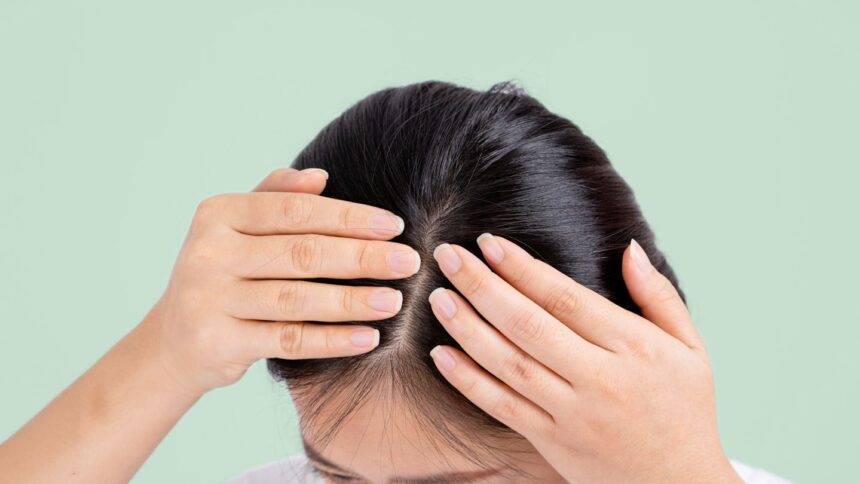
While your hair tends to steal the spotlight, the skin underneath is just as important. In some cases, your scalp provides clues about your overall health or an underlying condition — especially if you notice persistent or new changes.

Contents
1. Persistent Itching or Irritation2. Flaking and Dandruff3. Excessive Oiliness or Greasiness4. Unusual Dryness or Tightness5. Redness, Bumps, or Sores6. Hair Shedding or Thinning7. Unusual OdorThe Takeaway

“Your scalp is living skin with hair follicles, oil glands, nerves, and immune cells,” says Leonardo Tjahjono, MD, a board-certified dermatologist and an assistant professor of dermatology at George Washington School of Medicine in Washington, DC. “A healthy scalp supports healthy hair growth, protects against infection, and maintains comfort. But when the scalp is inflamed, infected, or imbalanced, it can lead to itching, flaking, hair shedding, or even scarring and hair loss if left untreated.”

Fortunately, many scalp symptoms are easy to treat and prevent. Here are the most common scalp issues you might experience, and what to do about them.

1. Persistent Itching or Irritation

Scalp itchiness and irritation are common complaints — but that doesn’t minimize their impact.

“Chronic discomfort and chronic itch on your scalp can really affect quality of life, and that can spill over into so many areas of your general wellness,” says Deirdre Hooper, MD, a board-certified dermatologist at Audubon Dermatology in New Orleans.

That itch can feel slightly different for everyone, says Adam Friedman, MD, a professor and the chair of dermatology at George Washington School of Medicine in Washington, DC. “Itch can range from a mild ‘need-to-scratch’ feeling to burning, stinging, tenderness, or a crawling or tingling sensation, sometimes flaring with sweat, heat, stress, or new hair products or services,” he explains.

Itching and irritation are often symptoms of skin conditions, such as:

What to do: Dr. Friedman suggests trying several at-home options for mild scalp itch and irritation, including:

  • Switching to a shampoo with minimal added fragrances
  • Trying an anti-dandruff shampoo if flaking and oiliness are also present
  • Avoiding aggressive scratching, harsh scrubs, and products with essential oils

Consider seeing a dermatologist if a persistent itch lasts longer than two to three weeks, or if it’s intense, bleeding, or painful, Friedman says. Depending on the underlying cause, they may recommend prescription topical corticosteroids (anti-inflammatory drugs), antifungal solutions, or oral antibiotics.

See also  The 7 Best Meal Replacement Shakes for People With Diabetes

2. Flaking and Dandruff

Many people experience skin flaking or dandruff (small white or yellowish flakes that can be visible on your scalp, hair, or clothing, along with persistent itching).

Dandruff is considered a mild form of the inflammatory skin condition seborrheic dermatitis.

 It’s thought to be caused by a combination of factors, including skin oil (sebum) production, yeast overgrowth, environment, changes in skin barrier function (the protective outer layer of skin), and genetics.

What to do: Experts recommend over-the-counter (OTC) shampoos that include the following ingredients:

  • Ketoconazole
  • Zinc pyrithione
  • Salicylic acid
  • Sulfur
  • Selenium sulfide
  • Coal tar
See a dermatologist if your dandruff doesn’t go away after at-home treatments, or if you develop extremely itchy dandruff, as this could be a sign of a more severe inflammatory skin condition such as scalp psoriasis.

”We may recommend prescription antifungal shampoos and topical anti-inflammatories for flare-ups, like roflumilast or corticosteroids,” Friedman says.

3. Excessive Oiliness or Greasiness

You’ll know if your scalp is excessively oily if your hair looks greasy shortly after washing, and your scalp may feel waxy or oily.

Scalp greasiness can be linked to your scalp microbiome, the community of microbes (like bacteria and fungi) that live on the skin.

 Research suggests that the scalp microbiome interacts with and helps regulate scalp oil production, so when the composition of microbes is disrupted or off balance, it can influence sebum production — triggering excessive oiliness.

“The scalp microbiome has a higher concentration of oil glands — creating an environment where there’s a lot of oil,” Dr. Hooper explains.

 “Just like some people have oily skin on their face, some people will have oily skin on their scalp as a result.”

Other potential explanations for an oilier-than-normal scalp include overwashing or underwashing your hair, or hair product buildup, Dr. Tjahjono says.

What to do: Tjahjono recommends washing consistently — every one to two days, depending on your hair type — and avoiding applying heavy oils on or near the scalp.

If you notice product buildup on your scalp, use your fingertips (not fingernails) to massage a gentle scalp scrub into your head in the shower before rinsing, Hooper suggests.

See also  We Went to Antoni Porowski’s New Restaurant, and the Menu Caters to Basically Every Possible Diet Plan

See a healthcare provider if oiliness is paired with itching, odor, redness, or hair loss, Tjahjono says.

4. Unusual Dryness or Tightness

Unusual scalp dryness or tightness can feel uncomfortable and cause flakiness without redness or increased sensitivity, Tjahjono says.

The potential culprits include environmental or lifestyle factors, such as exposure to cold weather or the use of harsh hair products.

What to do: According to Tjahjono, dryness and tightness can be resolved with the following steps.

  • Switch to a gentle shampoo (such as one labeled “sulfate-free”).

  • Wash your hair less often.

  • Use a scalp moisturizer or oil as needed.
Sometimes, an excessively dry or tight scalp could indicate an underlying skin condition, such as eczema (chronic inflammation causing itchy, dry patches), psoriasis, or tinea capitis (a fungal infection known as scalp ringworm).

 See a dermatologist if your dry scalp becomes excessively itchy, painful, or inflamed, Tjahjono suggests.

5. Redness, Bumps, or Sores

Red, raised, and itchy bumps or sores on the scalp can occur with allergic reactions like hives, infections like tinea capitis, or autoimmune conditions like psoriasis.

Depending on the cause, these bumps can be scaly or flaky, resemble pimples, or appear like crusting open sores, Tjahjono says.

What to do: Start by giving your scalp a chance to heal on its own. “Stop irritating products, keep your scalp clean, and avoid picking at it,” says Tjahjono.

But if your bumps or sores are painful, spreading, oozing pus, or associated with hair loss, seek medical treatment. This might include antibiotics, topical steroids, antifungals, or anti-inflammatory medications.

6. Hair Shedding or Thinning

While it’s normal to lose up to 100 strands of hair daily, this is different from more apparent hair shedding or thinning, Hooper says.

 “In more severe cases, people either notice their ponytail is thinner, or they notice hair all over the house,” she explains. This can result from a variety of factors, including stress, diet, medications, damaging hairstyles (such as tight ponytails that pull hair or frequent salon treatments), age, and genetics.

What to do: Mild cases of hair thinning can be treated with lifestyle strategies such as eating a nutritious diet, getting enough sleep, managing stress, giving tight hairstyles a break, or OTC topical treatments like minoxidil (Rogaine), Hooper says. “Over-the-counter minoxidil can be a game changer — and you can get it right away because it’s available everywhere.”

In more severe cases, hair shedding or thinning may be a red flag for conditions such as alopecia areata (an autoimmune disease that attacks hair follicles) or infections such as tinea capitis, both of which require medical treatment.

For any noticeable hair shedding that lasts more than a month, Hooper recommends seeing a healthcare provider, who can get to the bottom of an underlying cause and offer prescription-strength topical or oral medications.

7. Unusual Odor

Scalp odor can be a hygiene issue — or it can be a sign of an underlying scalp condition.

For some people, a musty, sour, or yeasty smell emanating from the scalp may be due to excess oil and sweat, Tjahjono says.

What to do: Scalp odor from excess oil and sweat can be resolved by washing your hair regularly and avoiding heavy hair products, Tjahjono says.

In other instances, though, a smelly scalp might be the result of a yeast overgrowth, bacterial infection, or autoimmune condition like scalp psoriasis. “Consider seeking medical treatment if scalp odor persists despite good hygiene or if it’s associated with pain, drainage, or sores,” says Tjahjono, noting that a healthcare provider might recommend a medicated shampoo, topical treatment, or prescription medication, depending on the underlying cause.

The Takeaway

  • An unhealthy scalp may be inflamed, itchy, flaky, oily, or have open sores.
  • These scalp symptoms can stem from causes like irritation, allergic reactions, infections, and skin conditions, such as seborrheic dermatitis, psoriasis, or scarring alopecia.
  • If your scalp is uncomfortable or symptoms worsen, be sure to consult a dermatologist. Treatment will depend on the underlying cause.
  • Your doctor may recommend prescription medications or prevention strategies, such as regular washing and OTC topical solutions, to help maintain scalp health, and may also suggest lifestyle changes (such as diet, sleep, or stress management) to support underlying conditions.

You Might Also Like

The Weight Loss Plans to Try, and the Fad Diets to Skip, if You Want to See Results

Why a Detox Diet Can Cause a Rash — and What to Do if It Happens

What Is Type 2 Diabetes?

Can a Keto Diet Help Manage Menopause Weight Gain?

Stillman’s Diet

TAGGED: Keto
Share This Article
Facebook Twitter Copy Link
Previous Article Romanesco and Cauliflower Salad With Pomegranate [Vegan] – One Green Planet Romanesco and Cauliflower Salad With Pomegranate [Vegan] – One Green Planet
Leave a comment Leave a comment

Leave a Reply Cancel reply

Your email address will not be published. Required fields are marked *

Latest News

Romanesco and Cauliflower Salad With Pomegranate [Vegan] – One Green Planet
Vegan Food March 12, 2026
FRUIT CUSTARD RECIPE | Easy Dessert For Iftaar | Mix Fruit Custard | Ramadan Recipe
Videos March 11, 2026
15 Show-Stopping Savory Tarts to Elevate Weeknight Dinner – One Green Planet
Vegan Food March 11, 2026
पहाड़ी स्वादिष्ट खान-पान | पहाड़ी हरा साग | Uttarakhandi village food recipe video | RTK Vlogs
Videos March 11, 2026
9 Store-Bought Sauces You Can Make at Home – One Green Planet
Vegan Food March 11, 2026

You Might also Like

The Weight Loss Plans to Try, and the Fad Diets to Skip, if You Want to See Results
Keto Food

The Weight Loss Plans to Try, and the Fad Diets to Skip, if You Want to See Results

March 9, 2026
Why a Detox Diet Can Cause a Rash — and What to Do if It Happens
Keto Food

Why a Detox Diet Can Cause a Rash — and What to Do if It Happens

February 27, 2026
What Is Type 2 Diabetes?
Keto Food

What Is Type 2 Diabetes?

February 27, 2026
Can a Keto Diet Help Manage Menopause Weight Gain?
Keto Food

Can a Keto Diet Help Manage Menopause Weight Gain?

February 26, 2026
top-100-recipes

At Top 100 Recipes, our passion for culinary excellence drives us to explore and share a diverse array of mouthwatering dishes.

Editor Choice

Upside Down Peach Brownies [Vegan] – One Green Planet
Enjoy Quiche, Frittata, and Scramble Without the Eggs! – One Green Planet
Berry Smoothie Ice Cream – Barefeet in the Kitchen
How To Cook A Ribeye Steak Like A Boss || #SoGood #Recipes

Follow Us on Socials

We use social media to react to breaking news, update supporters and share information

Facebook Twitter Telegram
  • About Us
  • Contact Us
  • Disclaimer
  • Privacy Policy
  • Terms of Service
Reading: 7 Signs Your Scalp Is Unhealthy (and What to Do About It) 
Share
© 2024 All Rights Reserved | Powered By Top 100 Recipes.
Welcome Back!

Sign in to your account

Lost your password?