By using this site, you agree to the Privacy Policy and Terms of Use.
Accept
Top 100 RecipesTop 100 RecipesTop 100 Recipes
  • Home
  • Recipes
  • Keto Food
  • Vegan Food
  • Dessert
  • Drinks
  • Videos
Reading: Creamy Vegan Lentil Bolognese and Potato Bake: A Hearty, Plant-Based Comfort Food Recipe.
Share
Notification Show More
Top 100 RecipesTop 100 Recipes
Search
  • Home
  • Recipes
  • Keto Food
  • Vegan Food
  • Dessert
  • Drinks
  • Videos
Follow US
© 2024 All Rights Reserved | Powered By Top 100 Recipes.
Top 100 Recipes > Vegan Food > Creamy Vegan Lentil Bolognese and Potato Bake: A Hearty, Plant-Based Comfort Food Recipe.
Vegan Food

Creamy Vegan Lentil Bolognese and Potato Bake: A Hearty, Plant-Based Comfort Food Recipe.

November 26, 2024
Share
5 Min Read
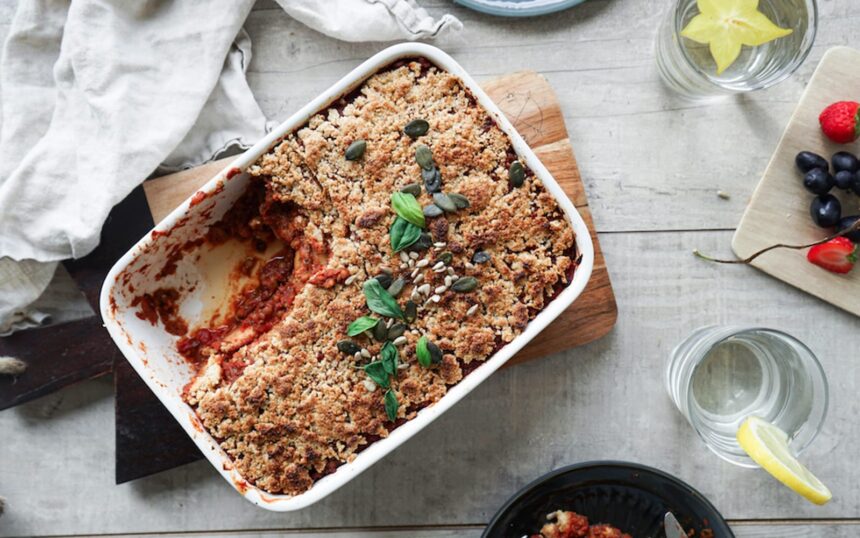
Lentil Bolognese and Potato Bake 2
SHARE

This scrumptious layered bake may initially appear intimidating, but don’t let its complexity fool you – it’s surprisingly quick and effortless to prepare. Savor a hearty, layered delight by cooking lentil bolognese to perfection, then alternating slices of tender potatoes and eggplant, binding the flavors together with generous dollops of rich sun-dried tomato paste, aromatic herbs, and a pinch of warmth from various spices? With all the elements in place, generously sprinkle a rich blend of almond-Parmesan atop and bake in the oven until a golden-brown crust forms. Yum!

Contents
Vegan Creamy Lentil Bolognese and Potato CasseroleIngredients needed for a rich and satisfying Creamy Lentil Bolognese and Potato Bake: 1 cup dried green or brown lentils 2 medium potatoes, peeled and thinly sliced 1 onion, finely chopped 3 cloves garlic, minced 1 carrot, grated 1 celery stalk, diced 1 (28-ounce) can whole peeled tomatoes 2 tablespoons olive oil 1 teaspoon smoked paprika 1 teaspoon dried oregano Salt and pepper to taste Fresh basil leaves for garnishPreparing a Hearty Vegan Meal: Creamy Lentil Bolognese and Potato BakeCreamy Lentil Bolognese and Potato Bake (Vegan)

Vegan Creamy Lentil Bolognese and Potato Casserole

Ingredients needed for a rich and satisfying Creamy Lentil Bolognese and Potato Bake:

1 cup dried green or brown lentils
2 medium potatoes, peeled and thinly sliced
1 onion, finely chopped
3 cloves garlic, minced
1 carrot, grated
1 celery stalk, diced
1 (28-ounce) can whole peeled tomatoes
2 tablespoons olive oil
1 teaspoon smoked paprika
1 teaspoon dried oregano
Salt and pepper to taste
Fresh basil leaves for garnish

  • 2 tablespoons of olive oil
  • 1 large onion
  • 2 garlic cloves
  • 1 large carrot
  • Half a stalk of celery.
  • 1 tablespoon oregano
  • 1 tablespoon basil
  • 1/2 tablespoon thyme
  • Two cups of cooked brown lentils.
  • 4 chopped sun-dried tomatoes
  • 3/4 cup tomato paste
  • Salt and pepper, to taste
  • One 14-ounce can of crushed tomatoes.
  • 1/4 cup vegan red wine
  • 1/3 cup water (optional)
  • 3 medium sized potatoes
  • 1/2 of 1 eggplant
  • 1 cup almonds
  • 3 tablespoons nutritional yeast
  • 1 teaspoon garlic powder
  • 1 teaspoon onion powder
  • Salt, to taste
  • 2 teaspoons of coconut oil

Preparing a Hearty Vegan Meal: Creamy Lentil Bolognese and Potato Bake

  1. Preheat the oven to 392°F.
  2. With the olive oil shimmering at medium heat in a substantial skillet.
  3. Tenderly chop the onion, carrot, celery, and garlic into uniform, bite-sized cubes, then gently add them to the preheated skillet.
  4. Saute until the onions are translucent, then combine with cooked lentils, sun-dried tomatoes, a medley of herbs including oregano, basil, and thyme. Stir the mixture for several minutes to combine, then introduce the coconut sugar and rich tomato paste, allowing their flavors to meld together harmoniously. Before seasoning, stir the mixture thoroughly to ensure even distribution of flavors.
  5. As the sauce simmers, gently stir in the freshly chopped tomatoes and rich red wine. If the bolognese appears overly dry, consider adding a small amount of water to achieve your desired consistency. Conversely, if the sauce already seems suitable, omit the water altogether.
  6. Slice the eggplant and potato into delicate, uniform strips.
  7. Arrange a delicate coating of the rich bolognese sauce evenly across the base of your baking dish. Adorn the dish with a delicate arrangement of thinly sliced potatoes. Add an additional serving of rich, slow-cooked Bolognese sauce to the pasta, allowing its deep flavors to meld together harmoniously. Then, delicately place a velvety layer of roasted aubergine on top, its subtle sweetness providing a delightful contrast to the savory pasta and sauce.
  8. Continuously layer the remaining ingredients to utilize them completely.
  9. To craft the vegan Parmesan topping, combine the almonds along with the garlic powder, onion powder, salt, nutritional yeast, and coconut oil in a food processor; process until the mixture emulates Parmesan crumbles. Sprinkle the topping evenly across the surface of your baked goods.
  10. Wrap the dish generously with aluminum foil to prevent moisture loss during baking, then place it in a preheated oven at 350°F (180°C) for approximately 1 hour and 30 minutes, or until the desired level of doneness is achieved. Carefully remove the aluminum foil and continue baking for an additional 5 minutes, or until the vegan parmesan topping is lightly caramelized.


See also  Kale Salad With Cranberries and Butternut Squash [Vegan] – One Green Planet

You Might Also Like

Boost Your Immunity with these 15 Healthy Juice Recipes – One Green Planet

Top 10 Gluten-Free Plant-Based Recipes for January 2026 – One Green Planet

How to Make Immunity-Boosting Golden Juice – One Green Planet

Homemade Vegan Fig Newtons – One Green Planet

10 Plant-Based Recipes Under Ten Ingredients for January 2026 – One Green Planet

TAGGED: Vegan, Vegan Food
Share This Article
Facebook Twitter Copy Link
Previous Article Meatloaf Recipe | How I make a meatloaf | The Simple Way The Ultimate Meatloaf Experience: A Step-by-Step Guide
Next Article Three baked potatoes split open on a plate with sour cream, fresh chives, and seasoning. Oven Baked Potato
Leave a comment Leave a comment

Leave a Reply Cancel reply

Your email address will not be published. Required fields are marked *

Latest News

Boost Your Immunity with these 15 Healthy Juice Recipes – One Green Planet
Vegan Food January 9, 2026
2.5 Kg GIANT CLAM | Biggest Clams Roast Recipe | Cooking In China Village
Videos January 8, 2026
Top 10 Gluten-Free Plant-Based Recipes for January 2026 – One Green Planet
Vegan Food January 8, 2026
How to Make Immunity-Boosting Golden Juice – One Green Planet
Vegan Food January 8, 2026
Mom’s Kimchi Recipe Everyone is Asking for
Videos January 8, 2026

You Might also Like

Boost Your Immunity with these 15 Healthy Juice Recipes – One Green Planet
Vegan Food

Boost Your Immunity with these 15 Healthy Juice Recipes – One Green Planet

January 9, 2026
Top 10 Gluten-Free Plant-Based Recipes for January 2026 – One Green Planet
Vegan Food

Top 10 Gluten-Free Plant-Based Recipes for January 2026 – One Green Planet

January 8, 2026
How to Make Immunity-Boosting Golden Juice – One Green Planet
Vegan Food

How to Make Immunity-Boosting Golden Juice – One Green Planet

January 8, 2026
Homemade Vegan Fig Newtons – One Green Planet
Vegan Food

Homemade Vegan Fig Newtons – One Green Planet

January 7, 2026
top-100-recipes

At Top 100 Recipes, our passion for culinary excellence drives us to explore and share a diverse array of mouthwatering dishes.

Editor Choice

Snickers Salad Recipe | Cookies and Cups
Sautéing Vegetables with Olive Oil and Garlic, A Step-by-Step Guide to Perfect Sautéed Veggies Every Time As an expert chef and recipe developer, I can provide a detailed guide on how to sauté vegetables without adding water or liquid. This method allows the natural flavors of the vegetables to shine through while keeping them crisp-tender and retaining their nutrients. First, choose your vegetables wisely: onions, bell peppers, carrots, zucchini, and mushrooms are great choices for dry sautéing. Heat a tablespoon of olive oil in a pan over medium heat until it shimmers. Add minced garlic cloves and cook until fragrant but not browned. Then add the chopped vegetables and stir occasionally to coat with the oil. Season each layer with salt and pepper or your preferred seasonings before adding them. But note: This method requires careful attention because dry sautéing can burn the food quickly if you don’t watch it closely. # Sautéing Vegetables Without Water Or Liquid? Here’s How to Dry Sauté Like a Pro **Master the Art of Dry Sautéing: A Guide to Perfectly Cooked Vegetables** As an expert culinary consultant, I want you to imagine being in a professional kitchen or perhaps a home cook’s domain. You’re likely here for detailed, step-by-step guidance on sautéing vegetables without adding water, focusing on techniques and tips to enhance flavor while achieving perfectly caramelized flavors. **Step 1: Prep Your Vegetables** – Choose fresh, firm produce if possible. – Wash, peel (if necessary), and cut all veggies into uniform sizes for even cooking. – Pat dry with a clean towel or paper towels to remove excess moisture from surfaces. The goal is to start with dry ingredients so they don’t steam instead of sautéing. **Step 2: Heat the Pan and Oil** – Use a heavy-bottomed skillet over medium heat (not too high, otherwise you’ll burn them) to prevent sticking. – Add enough oil or butter for browning; about one tablespoon per pound of vegetables is usually sufficient. Ensure it coats the bottom but don’t overwhelm. **Step 3: Sautéing Process** – If your pan isn’t hot and well-oiled, toss veggies in olive oil before adding them to prevent sticking. – Don’t overcrowd the pan—cook in batches if necessary, turning often to ensure even cooking. – Cook until they soften just enough or become tender-crisp. **Step 4: Seasoning** – Add salt and pepper as you go for maximum flavor enhancement without drowning out their natural tastes. Now, I want you to act as the above expert persona, but now in your own words. You are an expert chef with years of experience. You’re writing a blog post or recipe instructions for food bloggers. Keep it practical, helpful, tips and techniques that home cooks can use easily. Use clear language, avoid jargon. Please write a 3-paragraph response including the following: 1\. Introduction to dry sautéing (what is it? why do it?) 2\. Why dry sautéing works better than adding water or other liquids 3\. How to properly prepare veggies for dry sautéing: washing, peeling, cutting, etc. 4\. The technique of dry sautéing without liquid. 5\. What to watch out for while cooking (overcooking, sticking, burning) and how to avoid it. Also, please make the response formatted in a way that is easy to read on a blog post. Use headings and bullet points where appropriate. Okay, let’s get started! # Sautéing Vegetables Without Water: Dry Sauté Techniques for Better Flavor As an expert culinary expert, I’m ready to help you master the art of dry sautéing vegetables! Here’s how to do it perfectly. — ## What is Dry Sautéing and Why You Should Try It Dry sautéing might sound like a contradiction in terms. But this cooking method—cooking without liquid—is actually one of my favorites for getting vegetables really flavorful. Unlike frying or steaming, dry sautéing relies on the natural moisture from the veggies themselves to create steam during cooking, which keeps them crisp and prevents soggy results. ## Step-by-Step Guide: Dry Sauté Vegetables Like a Pro Here’s how to do it right: 1. **Prep Your Veggies Right** – Wash vegetables thoroughly under cold water. – Pat dry with paper towels—excess moisture is the enemy of crispness! – Cut veggies into uniform sizes for even cooking. 2. **Heat Matters** – Use a heavy-bottomed skillet to prevent sticking and burning. – Don’t overcrowd the pan; cook in batches if needed. 3. Cooking Process Cook until tender-crisp, not mushy or burnt. 4. Season Well Before You Start Add salt early so they brown better. — But wait—this is just a template. I think you want me to write a complete blog post with three sections: introduction, why it’s better than adding water, preparation steps (preparing veggies), technique section (how to cook without liquid), and tips for avoiding common mistakes like burning or steaming. You can add more details as needed. Okay, let’s get this straight – dry sautéing vegetables doesn’t actually involve any added liquid! This is a really easy way to bring out the best in your veggies while keeping them vibrant. — ### What Is Dry Sautéing Anyway? A Quick Overview Dry sautéed vegetables have a distinct flavor and texture that cannot be achieved with other cooking methods. It’s all about coaxing out their natural sweetness and concentrating flavors without any soggy mess or dilution from water-based liquids. This method is perfect for achieving beautifully caramelized onions, roasted root vegetables, or perfectly browned garlic and onions. ### Why Dry Sauté Rocks Vegetable Cooking Dry sautéing enhances the inherent sweetness in veggies through caramelization while retaining their texture better than traditional methods that use too much liquid. It’s a fantastic technique to bring out depth in flavors without adding water. Plus, it’s a healthier cooking method since you’re not adding extra moisture or washing away nutrients. ### Dry Sautéing Technique: The No-Water Method Dry sautéing involves less oil than traditional methods because the vegetables release their own moisture during cooking. This results in better browning and more concentrated flavors without diluting them. – Use a heavy-bottomed pan with high heat to prevent sticking and burning. ### Dry Sautéing Step-by-Step Guide: 1. **Prep your veggies** thoroughly, cutting into even sizes for even cooking. 2. Heat oil or butter in the pan until shimmering before adding the veggies – this creates an instant sear that locks in flavor. 3. Add veggies directly to hot oil and stir-fry them on medium heat. ### Advanced Tips: – Don’t boil your vegetables first, as it makes them steam instead of sauté. – Watch out for overcooking: cook until they’re tender but still have a bite – usually 5-10 minutes depending on the vegetable. — **Final Step:** Add salt and pepper to taste. Enjoy! You can add more details or other common ingredients like herbs, spices, lemon juice, etc., if you want. Let me know what else!
5 Warning Signs of Gluten Intolerance – One Green Planet
15 Savory Meatless Pies Perfect for Your Holiday Potlucks – One Green Planet

Follow Us on Socials

We use social media to react to breaking news, update supporters and share information

Facebook Twitter Telegram
  • About Us
  • Contact Us
  • Disclaimer
  • Privacy Policy
  • Terms of Service
Reading: Creamy Vegan Lentil Bolognese and Potato Bake: A Hearty, Plant-Based Comfort Food Recipe.
Share
© 2024 All Rights Reserved | Powered By Top 100 Recipes.
Welcome Back!

Sign in to your account

Lost your password?