By using this site, you agree to the Privacy Policy and Terms of Use.
Accept
Top 100 RecipesTop 100 RecipesTop 100 Recipes
  • Home
  • Recipes
  • Keto Food
  • Vegan Food
  • Dessert
  • Drinks
  • Videos
Reading: Eco-Keto Makes a Low-Carb Diet More Environmentally Friendly—but It’s Not for Everyone
Share
Notification Show More
Top 100 RecipesTop 100 Recipes
Search
  • Home
  • Recipes
  • Keto Food
  • Vegan Food
  • Dessert
  • Drinks
  • Videos
Follow US
© 2024 All Rights Reserved | Powered By Top 100 Recipes.
Top 100 Recipes > Keto Food > Eco-Keto Makes a Low-Carb Diet More Environmentally Friendly—but It’s Not for Everyone
Keto Food

Eco-Keto Makes a Low-Carb Diet More Environmentally Friendly—but It’s Not for Everyone

June 29, 2024
Share
7 Min Read
Eco-Keto Makes a Low-Carb Diet More Environmentally Friendly—but It’s Not for Everyone
SHARE
Ever since the ketogenic diet exploded into the mainstream last year, it’s spawned dozens of variations like keto cycling, targeted keto, dirty keto, and more. But as people are becoming more and more aware of the environmental impact of their favorite foods, another iteration of the eating plan aims to address some shortcomings of the red meat-heavy original: eco-keto.

What’s that? Well, it’s like standard keto in terms of macronutrient breakdown of fat, protein, and carbs, but with a sustainable bent. “The exact definition of eco-keto is ever evolving and can be personalized. In essence, it’s an eco-friendly version of the ketogenic diet—a high fat, moderate protein, very low carb lifestyle, but one that emphasizes plants, limits or eliminates meat [and] animal products, and promotes sustainable choices and shopping locally,” explains Pam Nisevich Bede, MS, RD, CSSD, LD, a registered dietitian and keto expert with Abbott’s ZonePerfect. Unlike the more mainstream interpretation of the ketogenic diet (butter and bacon, anyone?), eco-keto involves zero (or very few) animal-based foods (hence the “eco” part of the name), while still putting a person into ketosis.

Contents
So, what do you eat on this plan?What are the benefits of eco-keto?How do-able is it?The eco-friendly compromise

Curious to learn ketogenic diet 101? Here’s what a registered dietitian thinks of the eating plan: 


The concept is very similar to the “Ketotarian” diet, which was started by Will Cole, DC. “The basic premise includes limiting animal products while still aiming to stay in ketosis. Dr. Cole started this trend, and eco-keto is merely an offshoot,” says Sam Presicci, MCN, RD, LD, CPT, and lead dietitian at Snap Kitchen. However, while Ketotarian followers can eat eggs, ghee, and fresh, sustainably-sourced fish, eco-keto is generally a vegan interpretation of the ketogenic diet.

See also  Sugar-Free Snickers Bar

So, what do you eat on this plan?

Whether you follow a traditional keto diet or an eco-friendly approach, either usually supplies approximately 70 to 75 percent of calories from fat, 20 to 25 percent of calories from protein, and 5 percent of calories from carbohydrates, says Bede.

With those macros in mind, you’re supposed to focus on plant-based proteins and fat. Here are some of the foods that likely would be on your plate, says Presicci:

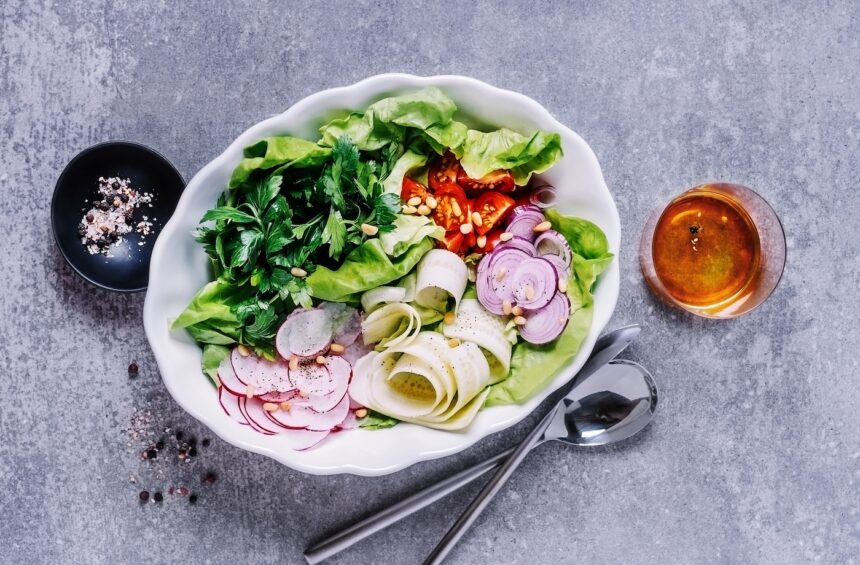
  • Non-starchy vegetables (broccoli, kale, cauliflower, spinach, zucchini, cabbage, etc.)
  • Plant-based fats like avocados, coconut oil, olive oil, and olives
  • Nuts
  • Seeds like flax and chia

What are the benefits of eco-keto?

If done properly, the plan should still put a person into ketosis, even without animal fat and protein. “The proven macros ratio supports ketosis, promotes higher levels of ketones, and promotes improvements in body composition,” Bede says. Other potential benefits of keto include increased energy, balanced blood sugar, and reduced inflammation.

Take some of that with a grain of salt, though—given that there’s very little research on how keto affects human adults, there’s even less to go on for this vegan version. However, if a person is concerned about the long-term effects of the saturated fat intake involved in a ketogenic eating plan, this plant-based version might be more appealing.

Plus, cutting out meat, dairy, and other animal-based foods can have major environmental benefits. Farmed animal products contribute to 58 percent of all agricultural greenhouse gas emissions and 57 percent of agricultural water pollution, according to a study in the journal Science. “A vegan diet is probably the single biggest way to reduce your impact on planet Earth, not just greenhouse gases, but global acidification, eutrophication, land use, and water use,” the study’s lead author told The Guardian. (Those benefits are true whether or not you decide to make your plant-based diet a keto affair.)

See also  Why’s Everybody Putting Ghee in Their Coffee?

How do-able is it?

You thought regular keto was restrictive? This version is…even more challenging, Presicci says. “One pitfall is that it’s a lot harder to get in adequate protein without meat or dairy,” she says, especially since many plant-based protein staples like beans and lentils are higher in carbs and thus not keto-friendy. However, that doesn’t mean it’s impossible to pull off, she says.

It should also be noted that some experts warn that women in particular might have trouble severely restricting carbs as required on a ketogenic eating plan—which potentially could lead to unwanted weight gain, hormonal imbalances, and other health issues. Like the benefits of keto, none of these possible downsides have been extensively studied in humans, but they’re still important to be aware of before considering the eating plan for yourself. For any restrictive eating plan (including eco-keto), it’s always best to work with a registered dietitian or doctor to ensure that you’re still getting the nutrients you need.

The eco-friendly compromise

If you’re loving keto but want to make it more environmentally friendly, Bede says there’s another option to make it work for you. “You can take steps to make the keto diet more eco-friendly—like limiting meat or supporting your local farmer—without making it a completely vegan version of the diet,” she says. Consider it “eco-friendly keto.” “Rather than go vegan, I recommend people eat sustainably-raised animal products,” adds Presicci. “Ideally, purchase from local farms or find well-labeled options in store.” She recommends keto dieters load up on plant-based foods but enjoy meat and dairy in moderation in the week.

See also  What Are the Best and Worst Fats to Eat on the Ketogenic Diet?

Also, if you are eco-keto, avoid meat substitutes (even if they’re low carb) and just focus on plant-based sources and whole foods. “Not only are [meat substitutes] often highly processed, but they usually have a long list of potentially inflammatory ingredients, including gluten, soy and corn,” Presicci says.

You can also choose one day to go “eco” such as meatless Mondays, says Bede, and opt for meatless keto snacks like shakes, bars, olives, nuts, and more. Keep it flexible and you’ll still make a difference.

What’s the deal with intermittent fasting, anyways? And here’s what an RD has to say about coconut and MCT oils.


You Might Also Like

What Is Frequent Urination? Symptoms, Causes, and Treatment

The 7 Healthiest Breads, According to Registered Dietitians 

A Complete Low-Carb Diet Guide for Beginners

The Side Effects of Missing an Ozempic Dose

What Happens to Your Cholesterol When You Go on a Keto Diet?

TAGGED: Keto
Share This Article
Facebook Twitter Copy Link
Previous Article Your Budget Friendly Recipes | Gordon Ramsay Your Budget Friendly Recipes | Gordon Ramsay
Next Article 15 Summery Pasta Salads For Your 4th of July Cookout! – One Green Planet 15 Summery Pasta Salads For Your 4th of July Cookout! – One Green Planet
Leave a comment Leave a comment

Leave a Reply Cancel reply

Your email address will not be published. Required fields are marked *

Latest News

Cooking videos , chicken recipes, mutton recipes, vegetable recipes, Bengali recipes, Indian food.
Videos February 2, 2026
15 Plant-Based Healing Recipes to Treat Fungal Infections – One Green Planet
Vegan Food February 2, 2026
Singaporean Rice Recipe By Asad Memon-Food Fusion
Videos February 2, 2026
BENGALI PITHA RECIPE , PANTA BHAT WITH FISH MUKBANG EATING SHOW
Videos February 2, 2026
Easy and Healthy Meals That Last The WHOLE Month
Videos February 1, 2026

You Might also Like

What Is Frequent Urination? Symptoms, Causes, and Treatment
Keto Food

What Is Frequent Urination? Symptoms, Causes, and Treatment

January 30, 2026
The 7 Healthiest Breads, According to Registered Dietitians
Keto Food

The 7 Healthiest Breads, According to Registered Dietitians 

January 29, 2026
A Complete Low-Carb Diet Guide for Beginners
Keto Food

A Complete Low-Carb Diet Guide for Beginners

January 28, 2026
The Side Effects of Missing an Ozempic Dose
Keto Food

The Side Effects of Missing an Ozempic Dose

January 10, 2026
top-100-recipes

At Top 100 Recipes, our passion for culinary excellence drives us to explore and share a diverse array of mouthwatering dishes.

Editor Choice

Dwadasi Kanji I South Indian food I Easy Recipes
Mumbai’s Iconic Pav Bhaji Recipe: A Flavorful Blend of Spices and Love by Granny
Start your new year off right with 15 healthy plant-based salads that will leave you feeling energized and focused. From hearty quinoa bowls to refreshing greens, these recipes showcase the best of plant-based eating. Plus, they’re all vegan-friendly and packed with nutrients! Whether you’re a seasoned pro or just starting out, there’s something on this list for everyone. So go ahead, get creative, and make your taste buds dance with these 15 healthy plant-based salads!
What’s Cooking: Authentic Chicken Biryani Recipe by Ijaz Ansari Are you ready to indulge in a flavorful and aromatic dish from the Indian subcontinent? Look no further! Ijaz Ansari, a renowned culinary expert, shares his secret recipe for mouth-watering chicken biryani that will leave you craving for more. Ingredients: * 1 cup basmati rice * 1 pound boneless chicken breast or thighs * 2 medium onions, finely chopped * 2 cloves garlic, minced * 1 teaspoon cumin seeds * 1 teaspoon coriander powder * 1/2 teaspoon turmeric powder * 1/2 teaspoon red chili powder * 1/2 teaspoon garam masala powder * Salt, to taste * 2 tablespoons vegetable oil * 2 cups water * Fresh cilantro leaves, for garnish Instructions: 1. Rinse the rice and soak it in water for at least 30 minutes. Drain the water and set the rice aside. 2. In a large pan, heat the oil over medium heat. Add the onions and cook until they are translucent. 3. Add the garlic, cumin seeds, coriander powder, turmeric powder, red chili powder, garam masala powder, and salt to the pan. Cook for 1-2 minutes, stirring constantly. 4. Add the chicken to the pan and cook until it is browned and cooked through. 5. Drain the water from the rice and add it to the pan with the chicken mixture. Stir well to combine. 6. Add 2 cups of water to the pan and bring to a boil. Reduce the heat to low, cover the pan, and simmer for 15-20 minutes or until the rice is cooked and fluffy. 7. Garnish with fresh cilantro leaves and serve hot. Enjoy your delicious homemade chicken biryani!

Follow Us on Socials

We use social media to react to breaking news, update supporters and share information

Facebook Twitter Telegram
  • About Us
  • Contact Us
  • Disclaimer
  • Privacy Policy
  • Terms of Service
Reading: Eco-Keto Makes a Low-Carb Diet More Environmentally Friendly—but It’s Not for Everyone
Share
© 2024 All Rights Reserved | Powered By Top 100 Recipes.
Welcome Back!

Sign in to your account

Lost your password?