From Atkins to the ketogenic diet, low-carb eating has some serious staying power in the diet world. Check out this guide if you’re curious about how this eating approach may aid diabetes management, weight loss, and other purported health benefits.
What Is a Low-Carb Diet? Definition For starters, know that what’s low carbohydrate for one person isn’t for another. “There’s no medical definition of what low-carb is,” says Columbus, Ohio–based Kelly Schmidt, RD . Basically, it’s reducing the number of carbs you eat from your norm. In general, however, a low-carb diet may include 50 to 100 grams (g) of carbohydrates per day, she says. Below that is considered very-low-carb, such as the ketogenic diet, while 100 to 200 g of carbohydrates per day is a moderate-carb diet.
Potential Benefits of a Low-Carb Diet Benefits You probably hear the most about low-carb eating for weight loss, but for some people, the approach could also help optimize their health, says Schmidt. “Research shows that women who have obesity or metabolic problems [may] do better hormonally on lower carbs,” says Schmidt, pointing out that other outcomes of the diet can include better sleep, mental clarity, and increased satiety.e60dc2a1-f33c-4a05-9b50-8e3e8e5976293f7f048f-23bd-4839-b99a-a7e6fdc57d3e As low-carb dietitian Franziska Spritzler, RD , who’s based in Orange County, California, points out, when you cut back on carbs, blood sugar and insulin levels generally go down, which can be a good thing for A1C, or the two- to three-month average of blood sugar levels. This may also help with weight loss, another common goal for people with type 2 diabetes. These types of benefits may be reaped almost immediately. Past research shows that people who ate three lower-carb meals (of less than 30 percent carbs each) reduced their insulin resistance by more than 30 percent compared with people who consumed higher-carb meals (60 percent carbs).e60dc2a1-f33c-4a05-9b50-8e3e8e597629f6916de2-711f-43ca-8e76-e793784cd46a Further research indicates that insulin resistance can be improved with a low-carb diet in just one month.e60dc2a1-f33c-4a05-9b50-8e3e8e597629a672ff77-ad49-4d84-87ee-787cd525f3db You can see the results, too. One small randomized clinical trial on older adults with obesity found that, compared with a low-fat diet, a very low carb diet shaved off 3 times more visceral fat, a type of belly fat that hugs organs and is linked to disease. The low-carb group also lost 9.7 percent of total fat compared with just 2 percent in the low-fat followers.e60dc2a1-f33c-4a05-9b50-8e3e8e597629fbbf8b5f-3831-4f2c-adf9-3dc170f4bceb A meta-analysis also concluded that in people with obesity, a low-carb diet reduced fat over the course of a year (but not body weight), with the greatest benefits seen in a very-low-carb diet.e60dc2a1-f33c-4a05-9b50-8e3e8e5976299b63ef69-7a68-45d0-a4a0-6a6ed8daa965
Limitations of Low-Carb Dieting Limitations That said, there isn’t an agreement that a low-carb diet is superior to any other kind of diet or that it’s healthier long term. A review that looked at the diet among those with diabetes noted that when it comes to weight loss, a low-carb diet performs no better than other higher-carb diets; and that it doesn’t produce better glycemic control, either.e60dc2a1-f33c-4a05-9b50-8e3e8e5976293ac66104-8f67-4056-8876-05b306c30d12 Another report also found that over one year, those on a low-carb diet lost weight faster than those on a low-fat one, but after a year, weight loss and A1C levels (an average of blood glucose over about three months) were remarkably similar.e60dc2a1-f33c-4a05-9b50-8e3e8e5976293f3f2e26-46e2-4ca7-b07a-778f615da181
Health Risks of Low-Carb Diets Risks What’s more, low-carb diets may be risky for certain groups. If you’re pregnant or nursing, following a low-carb diet isn’t recommended (barring gestational diabetes, in which case, consult your healthcare team). “Many women who are pregnant find that the thought of eating protein and fat makes them sick,” says Spritzler. This can be especially common in the first trimester. “They naturally want more carbs. You should always listen to your body,” she says. Separate from pregnancy, consider your lifestyle. If you’re someone who does intense CrossFit-style workouts, a low-carb diet may not fuel you properly, says Schmidt. And the things weighing on you matter, too. “Anyone in a stressful state, like a divorce or dealing with a death in the family, needs carbs to support their adrenal system,” she notes. As for if you’re dealing with health issues, defer to your doctor. For instance, if you have kidney disease, you also want to talk to your doctor about appropriate protein intake. If you have heart disease, you can still go low carb, but you’re best off opting for monounsaturated fats (avocados, nuts, and olive oil) over saturated fats (butter and red meat). Indeed, this holds true for everyone, regardless of heart disease status. Although there is some data that suggests a low-carb diet that contains more saturated fat than current recommendations did not increase “bad” LDL cholesterol (a risk factor for heart disease), you should still pay attention to the quality of foods in your low-carb diet.e60dc2a1-f33c-4a05-9b50-8e3e8e597629f677fc93-655a-4136-9498-ccbfcce9c1e4 Everyone’s cholesterol levels respond differently on a low-carb diet, so if yours are going up, switch to unsaturated sources of fats, Spritzler recommends. “In general, this is a diet most people can do. If you have a chronic condition, work with a doctor who understands low-carbohydrate diets to monitor you,” she adds. Last, if you have a history of eating disorders, a low-carb diet (or any eating plan that is restrictive) can be risky, nutrition and mental health experts agree.
Types of Low-Carb Diets Types Going low-carb looks different depending on which approach you’re going with. Here are a handful you may consider. Keto Diet This is the strictest plan, requiring you to eat less than 50 g of carbs per day and up your fat intake significantly. You’ll eat a moderate amount of protein. This is a popular weight loss diet. Traditional Low Carb This approach includes 50 to 100 g of carbs per day; this is where many people start because it’s less restrictive than a keto diet meal plan but can still deliver results. Atkins Diet The Atkins diet takes you through four phases, starting with very-low-carb consumption and then gradually introducing more carbohydrate-rich foods throughout. It’s good for people who like a more structured plan. Dukan Diet This option also includes four phases: two weight loss and two maintenance. For instance, the first phase of the Dukan diet focuses on high-protein foods, the second adds vegetables back in, the third allows two “celebration” meals per week, and the fourth is about keeping your weight stable. Because you can follow the diet from the book, it also appeals to people who need a planned approach. Paleo Diet Just because the paleo diet eliminates grains doesn’t mean it’s low in carbs, especially if you eat root veggies (like sweet potatoes) and fruit, but it can be followed this way.
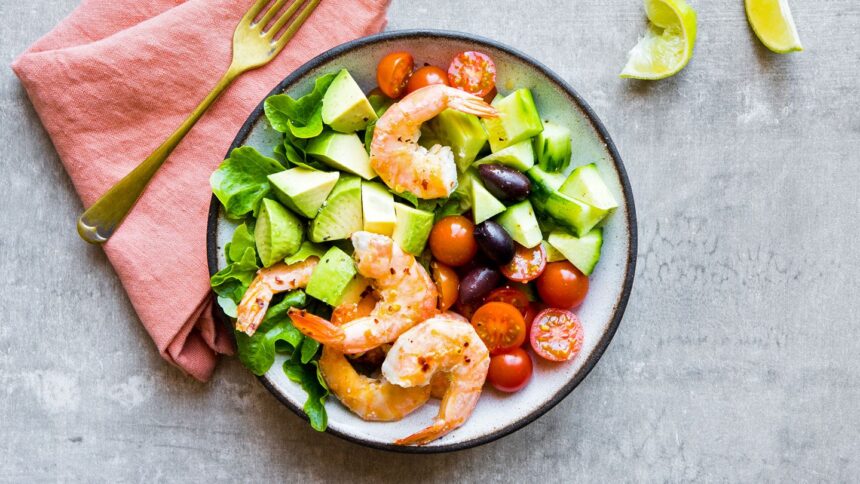
A Detailed Low-Carb Diet Food List Food List While the food lists for low-carb diets vary based on the plan, here’s a look at the foods you’d generally eat and avoid when following a traditional low-carb diet. Foods to Eat Nonstarchy vegetables: zucchini (4 g carbs per cup),e60dc2a1-f33c-4a05-9b50-8e3e8e597629f47276e2-8fb7-4dd4-bc9a-e3a596924297 cabbage (5 g carbs per cup),e60dc2a1-f33c-4a05-9b50-8e3e8e597629a750a4c5-d699-4e7a-9d53-d29a32e0908d broccoli (6 g carbs per cup),e60dc2a1-f33c-4a05-9b50-8e3e8e597629042718a9-8776-48a9-bab9-ae0315bab883 Brussels sprouts (8 g carbs per cup),e60dc2a1-f33c-4a05-9b50-8e3e8e597629f21d850e-defe-4d17-82fa-a8dcea929917 leafy greens (like spinach, for example, at 1 g carbs per cup),e60dc2a1-f33c-4a05-9b50-8e3e8e5976293d9fa4bc-7a55-4547-8775-b11734a87afa and tomatoes (7 g carbs per cup)e60dc2a1-f33c-4a05-9b50-8e3e8e597629f035f527-d13e-4935-9f55-671f116a5741 Meat, such as chicken , beef, pork, and lamb (0 g carbs per 3 ounces [oz]) Fish and seafood, like shrimp (0 g carbs per 3 oz)e60dc2a1-f33c-4a05-9b50-8e3e8e597629580f2ad5-56fb-4ce8-b028-22b9a1b3855b Eggs (0 g carbs per egg)e60dc2a1-f33c-4a05-9b50-8e3e8e597629feb9c291-3645-45b6-97c7-0847a8321d03 Cheese, like cheddar (less than 1 g carbs per 1/2 oz)e60dc2a1-f33c-4a05-9b50-8e3e8e5976299f9698e7-64bf-413e-96c9-50ffc32284c0 Olives (2 g carbs for 10 small olives)e60dc2a1-f33c-4a05-9b50-8e3e8e597629bf52eec8-bc0d-490c-a809-7bb76bdb081a Oil, such as canola oil, olive oil , and coconut oil (0 g carbs per tablespoon [tbsp]) Butter (0 g carbs per tbsp)e60dc2a1-f33c-4a05-9b50-8e3e8e597629ab442077-739c-45a3-86ff-e485ed914528 Cream (0.4 g carbs per tbsp)e60dc2a1-f33c-4a05-9b50-8e3e8e5976292ef67dff-d0a7-40d6-92a6-12d2905c2323 Greek yogurt (7 g carbs per 6 oz, low fat)e60dc2a1-f33c-4a05-9b50-8e3e8e5976299e355711-3b66-4b6c-a11a-6b48ce59ecbb Cottage cheese (10 g carbs per 1 cup, low fat)e60dc2a1-f33c-4a05-9b50-8e3e8e597629faacd4b8-95e3-4e9e-80b7-f928d0093d2c Nuts, like almonds (6 g carbs per 1 oz)e60dc2a1-f33c-4a05-9b50-8e3e8e597629e0478f2f-24c7-4d52-8ce4-be29c9e62867 Berries, like raspberries (15 g carbs per 1 cup)e60dc2a1-f33c-4a05-9b50-8e3e8e59762930443000-a54a-4de9-927e-a6b9eb16fc2d Melon, like cantaloupe (13 g carbs per 1 cup)e60dc2a1-f33c-4a05-9b50-8e3e8e597629adb4bffb-1edb-43d4-9c20-7d7d3560a90c Avocado (9 g carbs per half)e60dc2a1-f33c-4a05-9b50-8e3e8e5976299ffa1647-4835-4bcd-bb1d-32598d9ff6d2 Dark chocolate (13 g carbs per 1 oz)e60dc2a1-f33c-4a05-9b50-8e3e8e597629ab75a653-52b7-447c-b70c-d20bae36d876 Foods to Limit or Avoid Processed snack products, like crackers, chips, and cookies Rice Bread Oatmeal Pasta Grains, such as farro, bulgur, and quinoa Milk Higher-carb fruits, like grapes and bananas Beans and lentils Starchy vegetables, like sweet potatoes and potatoes, though these may be okay in moderation depending on your carb goal — but watch the portions. High-sugar foods, such as cake, ice cream, candy, and soda
A 3-Day Sample Menu of a Low-Carb Diet Meal Plan Your choices and portion sizes will depend on your individual carbohydrate goal and calorie needs, but here’s a mock meal plan for a low-carb diet to give you an idea of how it looks to eat this way: Day 1 Breakfast Veggie omelet topped with avocado Lunch Burrito bowl (no rice or beans) with extra fajita veggies, extra meat (of choice), cheese, guacamole, and salsa Dinner Grilled chicken breast with mixed roasted vegetables (broccoli or cauliflower) and a half of a sweet potato with butter Snack Option Mixed berries with a dollop of almond butter Day 2 Breakfast Chia seed pudding topped with nuts and melon Lunch Arugula salad with grilled salmon Dinner Chicken or steak tacos in lettuce wraps; side salad with tomatoes and vinaigrette Snack Option Snack pack of olives, plus raw veggies Day 3 Breakfast Eggs with sautéed greens (spinach or kale); strawberries or blueberries topped with Greek yogurt and chopped nuts Lunch Chicken and vegetable soup (without rice or noodles) Dinner Shrimp and vegetable stir-fry over cauliflower rice Snack Option Epic bar (grass-fed meat-based protein bar) with strips of cucumber and red pepper
Summary: Should You Go on a Low-Carb Diet? Summary While the jury is still out as to if a low-carb diet is superior to other plans for long-term weight loss and overall health, low-carb eating may be a springboard into greater health, especially if you’re used to eating the standard American diet, which is high in processed fare and low in vegetables.e60dc2a1-f33c-4a05-9b50-8e3e8e5976292730f36e-d022-40d7-a07e-3c7ea917f89e That said, you don’t have to jump in with both feet. Schmidt recommends trying to eat under 200 g of carbs a day initially (a moderate-carb diet) and then adjust lower based on how you feel. “If you start paying attention to the carbs in your diet, you’ll eat fewer processed foods,” she says. And it’s those whole foods that are the basis of good health.
The Takeaway A low-carb diet typically involves eating fewer carbohydrates than usual, reducing intake to between 50 and 100 g per day. No single “low-carb” diet exists — instead, eating plans like the keto, Atkins, paleo, or traditional low-carb diets set different restrictions on carbs. Research is mixed, especially around reducing carb intake in the long term or in comparison to other diets, but a low-carb diet might provide benefits such as improved blood sugar control and hormonal balance, especially in individuals with obesity or metabolic health challenges. Aim for under 200 g carbs and adjust your intake gradually based on how you feel, focusing on meat, fish, eggs, dairy, fats, and nonstarchy vegetables, and avoiding refined grains, processed snacks, sugary foods, and starchy vegetables.
Resources We Trust Mayo Clinic: Low-Carb Diet: Can It Help You Lose Weight?Cleveland Clinic: Are “Low” Diets Good for Your Heart?Harvard Health Publishing: Could a Low-Carb Diet Help Your Heart?Tufts University: The Truth About Low-Carb DietsStatPearls: Low-Carbohydrate Diet
A Complete Low-Carb Diet Guide for Beginners


Leave a comment
Leave a comment