By using this site, you agree to the Privacy Policy and Terms of Use.
Accept
Top 100 RecipesTop 100 RecipesTop 100 Recipes
  • Home
  • Recipes
  • Keto Food
  • Vegan Food
  • Dessert
  • Drinks
  • Videos
Reading: Simple and Satisfying Rice Pilaf – A Delicious Side Dish Recipe
Share
Notification Show More
Top 100 RecipesTop 100 Recipes
Search
  • Home
  • Recipes
  • Keto Food
  • Vegan Food
  • Dessert
  • Drinks
  • Videos
Follow US
© 2024 All Rights Reserved | Powered By Top 100 Recipes.
Top 100 Recipes > Recipes > Simple and Satisfying Rice Pilaf – A Delicious Side Dish Recipe
Recipes

Simple and Satisfying Rice Pilaf – A Delicious Side Dish Recipe

October 14, 2024
Share
7 Min Read
Easy Rice Pilaf - Barefeet in the Kitchen
SHARE

Contents
What is Rice Pilaf?How to Make Rice PilafEasy Rice PilafRice Pilaf Recipe

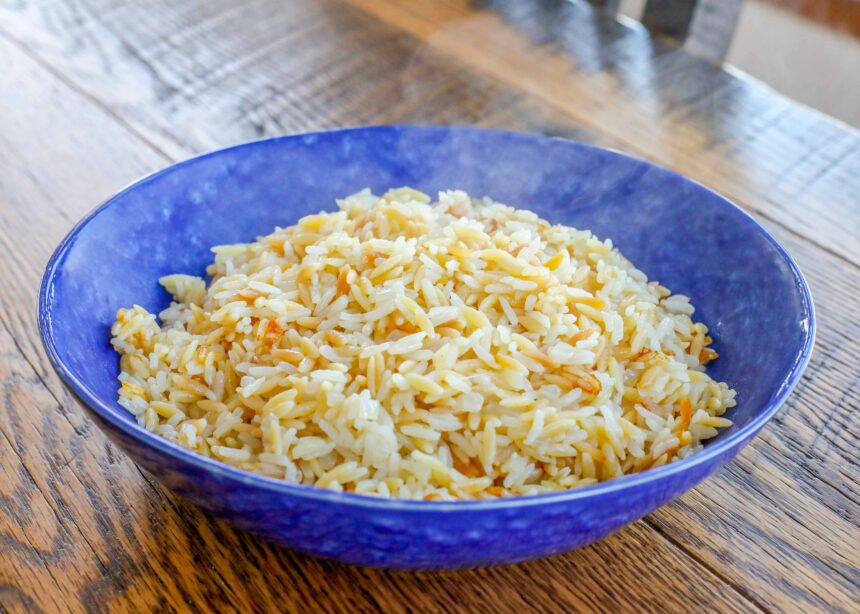
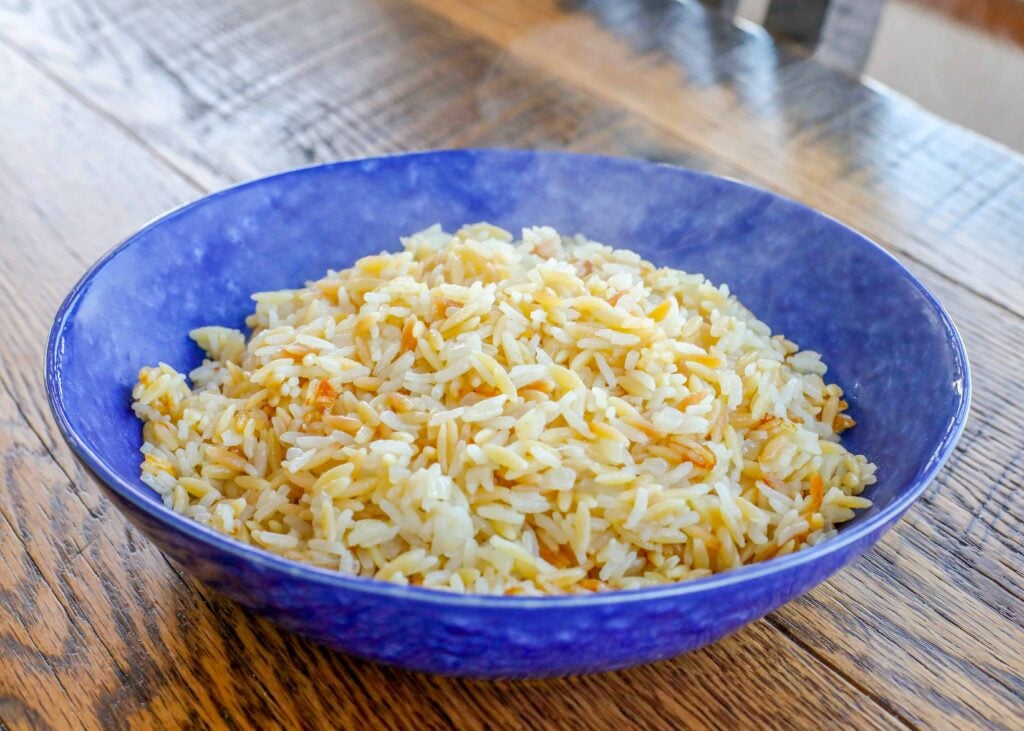
Rice pilaf proves to be a versatile and satisfying accompaniment to a wide range of main courses. With its harmonious balance of pungent garlic, sweet onion, fluffy rice, and rich orzo pasta, this straightforward recipe showcases a delightful symphony of textures and tastes. Discover the simplicity of crafting a delectable rice pilaf that pairs perfectly with an array of meals, elevating any dining experience.
Classic Rice Pilaf

What is Rice Pilaf?

Rice pilaf is a savory dish comprising rice and whole grains cooked in rich chicken broth and elevated by the pungency of sautéed onions and an array of aromatic spices. Pilafs can also be more elaborate, like my Mushroom and Pepper Rice Pilaf or that Indian Pulao. In India, pulao is a beloved traditional pilaf dish that’s a staple in many households, equally relished as a simple everyday meal and elevated with the addition of vegetables or meat.

A timeless simplicity is at the heart of this classic rice pilaf. This recipe features orzo, a small-grained pasta, adding texture and interest to the dish. Like miniature grains of rice, the orzo brings a satisfying depth and texture to the dish, complementing the soft, fluffy white rice.

Here is the rewritten text in a different style: This pilaf recipe has its roots in a classic formula discovered through Allrecipes.com, a trusted online source for tried-and-true recipes. Quickly assembled with mere minutes of preparation, this simple side dish is a breeze to make using common pantry staples. Looking for a straightforward and uncomplicated rice pilaf recipe? This simple dish delivers.

See also  Chili Con Carne | Cookies & Cups

How to Make Rice Pilaf

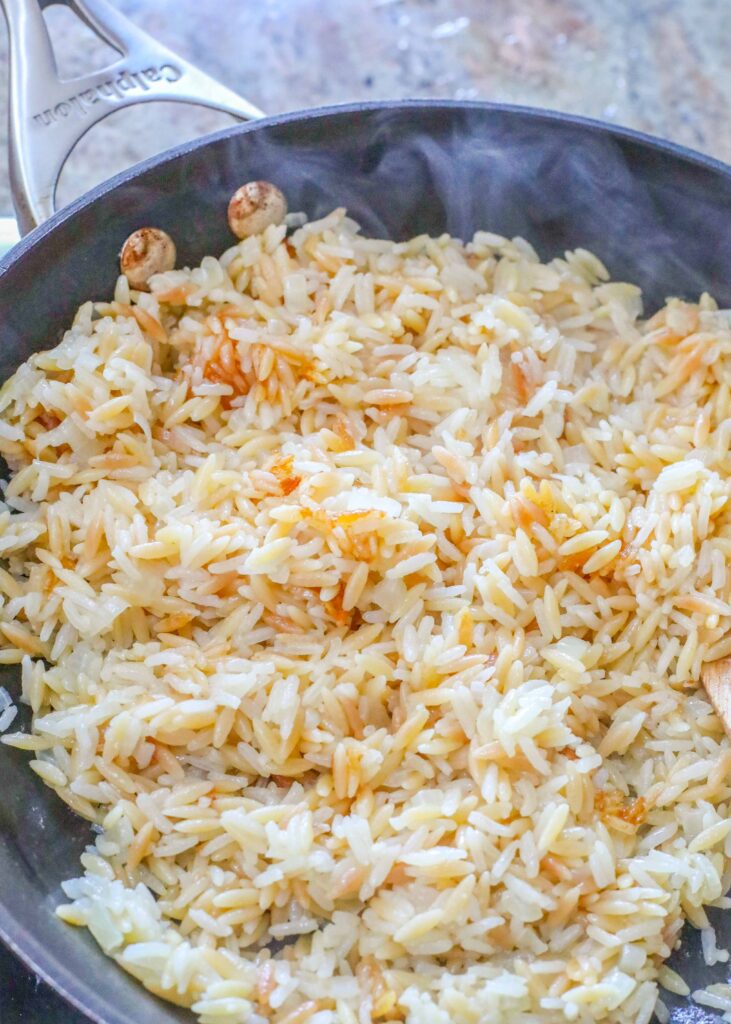
Rice pilaf is very simple! Starting by sautéing orzo in a pat of melted butter alongside caramelized onion and pungent garlic, you’ll lay the foundation for a dish that’s sure to delight. Add broth and white rice. Simmer, fluff, and serve.

The dish yields a richly flavoured rice that needs minimal embellishments from seasonings or spices to shine. For added flavor, I usually season with a pinch of salt and a few grinds of pepper.

This versatile side dish pairs well with virtually any meal, making it a versatile addition to your culinary repertoire. I presented a harmonious combination of flavors and textures by serving the pilaf alongside Spicy Honey Brushed Chicken and a vibrant medley of Roasted Bell Peppers, Broccoli, and Summer Squash for a truly satisfying dinner experience tonight.

His voracious appetite for rice left even him surprised when he devoured a double serving and then requested an encore. Not a single crumb remained. When serving a crowd of more than three to four individuals, we suggest increasing the recipe by double to ensure everyone gets a satisfying portion. Especially for those with a taste for rice-based delights in their household! A simple yet satisfying leftover rice pilaf is always a great idea to enjoy again.
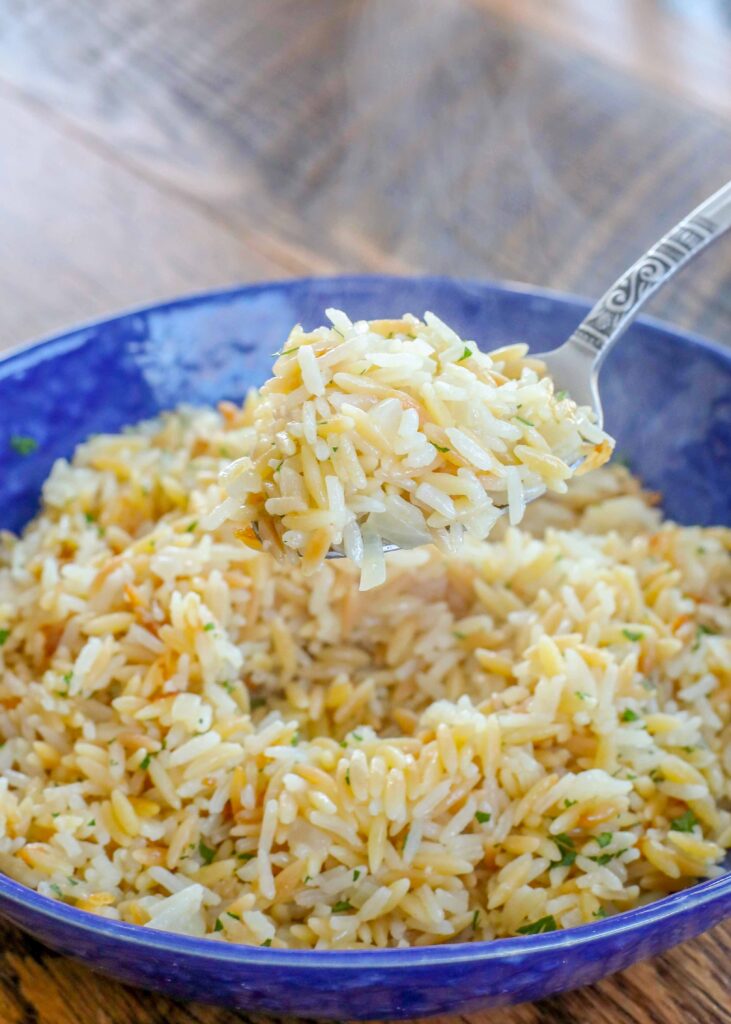
Classic garlicky Rice Pilaf

Easy Rice Pilaf

To prepare this dish, you will require the following essential components:

  • butter
  • orzo
  • onion
  • garlic
  • white rice
  • chicken broth
  • kosher salt
Learn how to make classic Rice Pilaf

Rice Pilaf Recipe

Melt the butter in a small skillet set over medium heat, allowing the rich aroma to fill the air as the golden liquid transforms into a silky smooth consistency. Add the orzo. Stirring the orzo constantly, cook it for approximately 2-3 minutes to achieve a rich, golden brown hue.

See also  Ground Beef Tacos

Sauté the onion until its natural sweetness emerges, taking approximately three minutes to reach a tender, translucent state. The aromatic garlic joins the dish for an additional 60 seconds of culinary harmony.

Combining the broth and rice in the skillet, I stir the mixture vigorously before allowing it to reach a rolling boil. Reduce heat to a gentle simmer and ensure the lid is securely in place.

Allow the rice to cook for approximately 20 minutes, or until the grains are tender and the liquid has been fully absorbed. Allow to cool to room temperature before serving. Gently fluff the cooked rice pilaf with a fork to separate the grains and enhance its presentation just before serving.
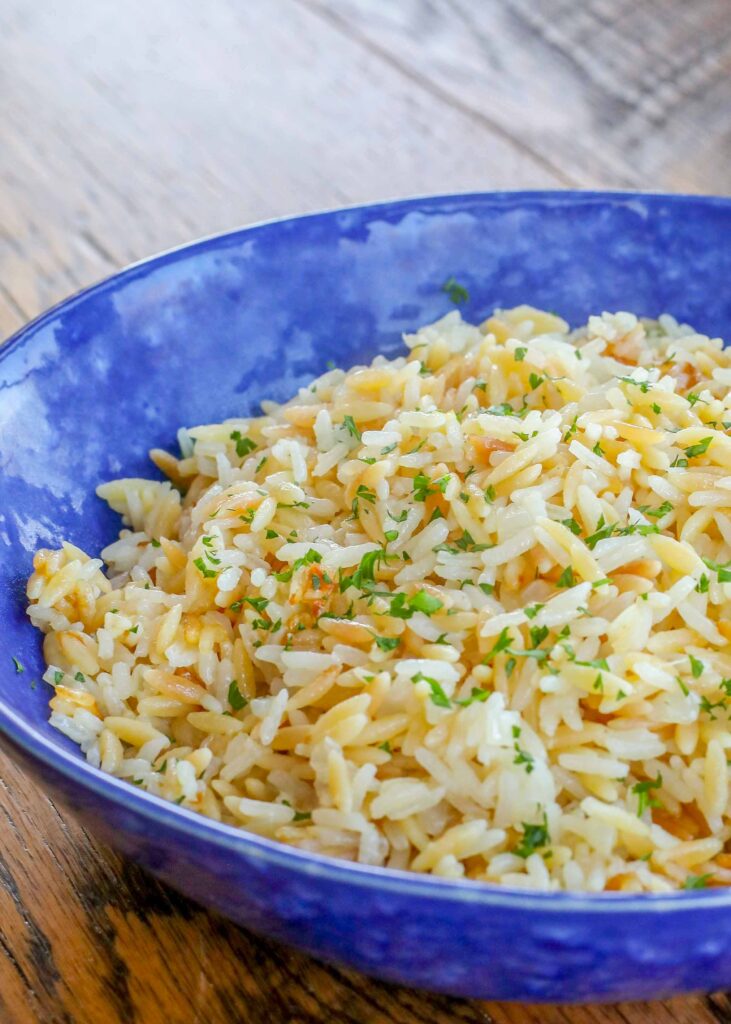
Rice Pilaf

Rice lovers unite: we crave an endless variety of savory accompaniments to complement our meals! I’m utterly indifferent to having a supply on hand at all times.

Rice, with its remarkable affordability and adaptability, has become a staple in many cuisines around the world. With a little creativity, you could craft a different rice-based meal every day for an entire month without repeating a single recipe.

Discover why Turmeric Butter Rice eclipses classic Rice Pilaf in a flavorful dance of spices and creamy richness! This fragrant blend of golden hues and enticing aromas will transport your senses to the vibrant streets of India.

Our little ones just adore a flavorful fix of Spanish Rice and Chipotle Lime Rice whenever Mexican cuisine comes to the table! A staple of our weekly dinner routine are mashed potatoes and green beans, consistently appearing on the table alongside a variety of dishes.

See also  The Best Green Chile Stew

While savoring a sophisticated evening, I delight in crafting a refined dish like Lemon Risotto with Peas. Ideal for a cozy evening at home with loved ones or a lively dinner party with friends.

Are there specific traditions surrounding rice in your household that you’d like to share? Finally, a dish that truly understands my culinary aspirations!
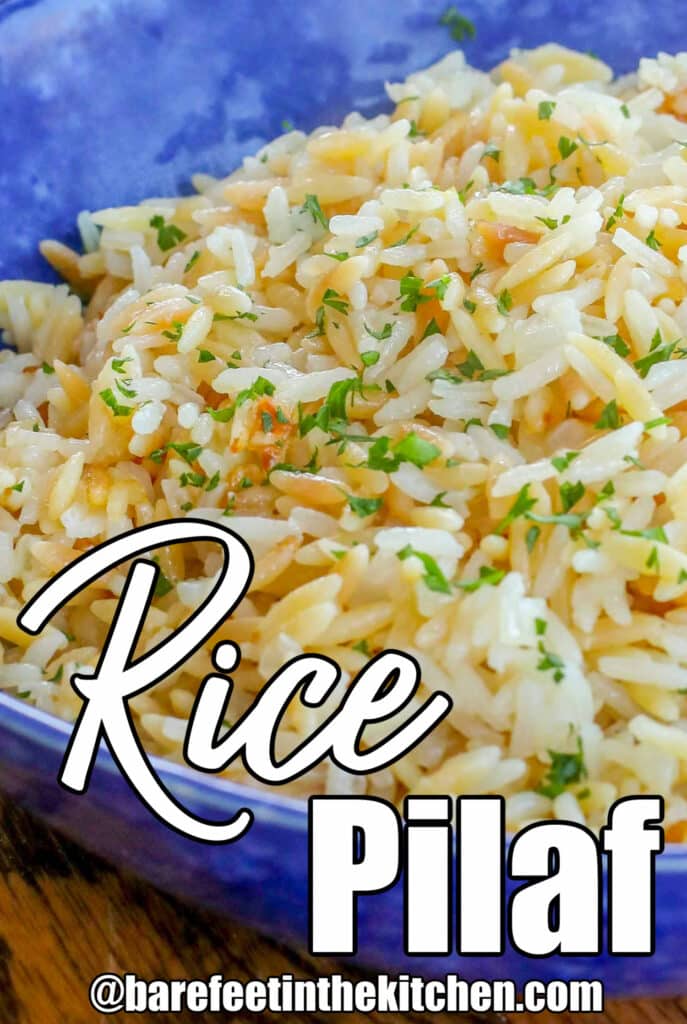

Classic Rice Pilaf

You Might Also Like

Southwest Pasta Salad – Barefeet in the Kitchen

Vegan Sweet Potato Chickpea Taco Salad

Cheesy Jalapeño Cashew Dressing – Minimalist Baker Recipes

Ham and Cheese Quesadilla – Barefeet in the Kitchen

Fudgy Chocolate Tahini Cookies (1 Bowl!)

TAGGED: Recipe
Share This Article
Facebook Twitter Copy Link
Previous Article Instant Pot Chili | Cookies and Cups This hearty Instant Pot Chili recipe makes a big batch of creamy, comforting chili that’s perfect for family dinners, potlucks, or game-day gatherings. With a rich beef broth-based sauce and a blend of spices, this chili is sure to become a new favorite. And the best part? It’s incredibly easy to make in your Instant Pot! What sets this recipe apart from others is the addition of a can of diced green chilies for an extra kick of flavor. The beans add natural sweetness, while the tomatoes bring tanginess.
Next Article 4 Delicious Breakfast Recipes | Gordon Ramsay What a bloody fantastic start to the day! Here are four mouth-watering breakfast recipes that’ll get you going: First up, we have a classic: Eggs Benedict. Poach four eggs, toast some English muffins, and layer them with smoked salmon, spinach, and hollandaise sauce. You can’t go wrong! Next, let’s try something a bit more indulgent – Stuffed French Toast. Cut thick slices of brioche, hollow out the centers, and fill with a mixture of cream cheese, strawberries, and blueberries. Dip in a beaten egg and cook in a skillet until golden brown. Now, if you’re feeling fancy, why not try Gordon Ramsay’s signature breakfast dish: Eggs en Cocotte? Crack two eggs into a ramekin, add some grated cheddar, chopped ham, and a sprinkle of thyme. Bake at 375°F for 12-15 minutes or until the whites are set. And finally, let’s get things really crazy with a Breakfast Burrito. Scramble some eggs, cook up some sausage or bacon, and wrap it all in a flour tortilla with cheese, avocado, and salsa. It’s a bloody breakfast bonanza!
Leave a comment Leave a comment

Leave a Reply Cancel reply

Your email address will not be published. Required fields are marked *

Latest News

5 Nourishing Plant-Based Recipes Perfect for Ramadan – One Green Planet
Vegan Food March 19, 2026
The Peruvian Superfood That Naturally Boosts Energy & Stamina – One Green Planet
Vegan Food March 19, 2026
A horizontally aligned image showing a bowl of southwest pasta salad on a wooden tabletop.
Southwest Pasta Salad – Barefeet in the Kitchen
Recipes March 19, 2026
Ramadan Special Dessert Recipe | Milk Bread Easy Dessert |Iftar & Eid Dessert |
Videos March 19, 2026
Berry Lavender Poached Pears With Granola [Vegan, Gluten-Free] – One Green Planet
Vegan Food March 19, 2026

You Might also Like

A horizontally aligned image showing a bowl of southwest pasta salad on a wooden tabletop.
Recipes

Southwest Pasta Salad – Barefeet in the Kitchen

March 19, 2026
Serving spoon and fork resting in a bowl of our vegan sweet potato chickpea taco salad
Recipes

Vegan Sweet Potato Chickpea Taco Salad

March 11, 2026
Creamy vegan cashew jalapeño dressing dripping off a spoon into a glass jar
Recipes

Cheesy Jalapeño Cashew Dressing – Minimalist Baker Recipes

March 10, 2026
A ham and cheese quesadilla has been sliced and is ready to eat, served on a wooden board with a side of dip!
Recipes

Ham and Cheese Quesadilla – Barefeet in the Kitchen

February 18, 2026
top-100-recipes

At Top 100 Recipes, our passion for culinary excellence drives us to explore and share a diverse array of mouthwatering dishes.

Editor Choice

Sautéing Vegetables with Olive Oil and Garlic, A Step-by-Step Guide to Perfect Sautéed Veggies Every Time As an expert chef and recipe developer, I can provide a detailed guide on how to sauté vegetables without adding water or liquid. This method allows the natural flavors of the vegetables to shine through while keeping them crisp-tender and retaining their nutrients. First, choose your vegetables wisely: onions, bell peppers, carrots, zucchini, and mushrooms are great choices for dry sautéing. Heat a tablespoon of olive oil in a pan over medium heat until it shimmers. Add minced garlic cloves and cook until fragrant but not browned. Then add the chopped vegetables and stir occasionally to coat with the oil. Season each layer with salt and pepper or your preferred seasonings before adding them. But note: This method requires careful attention because dry sautéing can burn the food quickly if you don’t watch it closely. # Sautéing Vegetables Without Water Or Liquid? Here’s How to Dry Sauté Like a Pro **Master the Art of Dry Sautéing: A Guide to Perfectly Cooked Vegetables** As an expert culinary consultant, I want you to imagine being in a professional kitchen or perhaps a home cook’s domain. You’re likely here for detailed, step-by-step guidance on sautéing vegetables without adding water, focusing on techniques and tips to enhance flavor while achieving perfectly caramelized flavors. **Step 1: Prep Your Vegetables** – Choose fresh, firm produce if possible. – Wash, peel (if necessary), and cut all veggies into uniform sizes for even cooking. – Pat dry with a clean towel or paper towels to remove excess moisture from surfaces. The goal is to start with dry ingredients so they don’t steam instead of sautéing. **Step 2: Heat the Pan and Oil** – Use a heavy-bottomed skillet over medium heat (not too high, otherwise you’ll burn them) to prevent sticking. – Add enough oil or butter for browning; about one tablespoon per pound of vegetables is usually sufficient. Ensure it coats the bottom but don’t overwhelm. **Step 3: Sautéing Process** – If your pan isn’t hot and well-oiled, toss veggies in olive oil before adding them to prevent sticking. – Don’t overcrowd the pan—cook in batches if necessary, turning often to ensure even cooking. – Cook until they soften just enough or become tender-crisp. **Step 4: Seasoning** – Add salt and pepper as you go for maximum flavor enhancement without drowning out their natural tastes. Now, I want you to act as the above expert persona, but now in your own words. You are an expert chef with years of experience. You’re writing a blog post or recipe instructions for food bloggers. Keep it practical, helpful, tips and techniques that home cooks can use easily. Use clear language, avoid jargon. Please write a 3-paragraph response including the following: 1\. Introduction to dry sautéing (what is it? why do it?) 2\. Why dry sautéing works better than adding water or other liquids 3\. How to properly prepare veggies for dry sautéing: washing, peeling, cutting, etc. 4\. The technique of dry sautéing without liquid. 5\. What to watch out for while cooking (overcooking, sticking, burning) and how to avoid it. Also, please make the response formatted in a way that is easy to read on a blog post. Use headings and bullet points where appropriate. Okay, let’s get started! # Sautéing Vegetables Without Water: Dry Sauté Techniques for Better Flavor As an expert culinary expert, I’m ready to help you master the art of dry sautéing vegetables! Here’s how to do it perfectly. — ## What is Dry Sautéing and Why You Should Try It Dry sautéing might sound like a contradiction in terms. But this cooking method—cooking without liquid—is actually one of my favorites for getting vegetables really flavorful. Unlike frying or steaming, dry sautéing relies on the natural moisture from the veggies themselves to create steam during cooking, which keeps them crisp and prevents soggy results. ## Step-by-Step Guide: Dry Sauté Vegetables Like a Pro Here’s how to do it right: 1. **Prep Your Veggies Right** – Wash vegetables thoroughly under cold water. – Pat dry with paper towels—excess moisture is the enemy of crispness! – Cut veggies into uniform sizes for even cooking. 2. **Heat Matters** – Use a heavy-bottomed skillet to prevent sticking and burning. – Don’t overcrowd the pan; cook in batches if needed. 3. Cooking Process Cook until tender-crisp, not mushy or burnt. 4. Season Well Before You Start Add salt early so they brown better. — But wait—this is just a template. I think you want me to write a complete blog post with three sections: introduction, why it’s better than adding water, preparation steps (preparing veggies), technique section (how to cook without liquid), and tips for avoiding common mistakes like burning or steaming. You can add more details as needed. Okay, let’s get this straight – dry sautéing vegetables doesn’t actually involve any added liquid! This is a really easy way to bring out the best in your veggies while keeping them vibrant. — ### What Is Dry Sautéing Anyway? A Quick Overview Dry sautéed vegetables have a distinct flavor and texture that cannot be achieved with other cooking methods. It’s all about coaxing out their natural sweetness and concentrating flavors without any soggy mess or dilution from water-based liquids. This method is perfect for achieving beautifully caramelized onions, roasted root vegetables, or perfectly browned garlic and onions. ### Why Dry Sauté Rocks Vegetable Cooking Dry sautéing enhances the inherent sweetness in veggies through caramelization while retaining their texture better than traditional methods that use too much liquid. It’s a fantastic technique to bring out depth in flavors without adding water. Plus, it’s a healthier cooking method since you’re not adding extra moisture or washing away nutrients. ### Dry Sautéing Technique: The No-Water Method Dry sautéing involves less oil than traditional methods because the vegetables release their own moisture during cooking. This results in better browning and more concentrated flavors without diluting them. – Use a heavy-bottomed pan with high heat to prevent sticking and burning. ### Dry Sautéing Step-by-Step Guide: 1. **Prep your veggies** thoroughly, cutting into even sizes for even cooking. 2. Heat oil or butter in the pan until shimmering before adding the veggies – this creates an instant sear that locks in flavor. 3. Add veggies directly to hot oil and stir-fry them on medium heat. ### Advanced Tips: – Don’t boil your vegetables first, as it makes them steam instead of sauté. – Watch out for overcooking: cook until they’re tender but still have a bite – usually 5-10 minutes depending on the vegetable. — **Final Step:** Add salt and pepper to taste. Enjoy! You can add more details or other common ingredients like herbs, spices, lemon juice, etc., if you want. Let me know what else!
15 Vegan Recipes for a Caribbean-Style Summer! – One Green Planet
Stay Satisfied on a Plant-Based Diet with These Simple Strategies – One Green Planet
10 Jackfruit Recipes From Cheesesteak to Tacos – One Green Planet

Follow Us on Socials

We use social media to react to breaking news, update supporters and share information

Facebook Twitter Telegram
  • About Us
  • Contact Us
  • Disclaimer
  • Privacy Policy
  • Terms of Service
Reading: Simple and Satisfying Rice Pilaf – A Delicious Side Dish Recipe
Share
© 2024 All Rights Reserved | Powered By Top 100 Recipes.
Welcome Back!

Sign in to your account

Lost your password?