Cold and flu season requires more than stocking up on a few extra boxes of tissues when you have type 2 diabetes . Not only do you have a greater risk of getting sick, but type 2 diabetes is associated with more severe respiratory infections.e60dc2a1-f33c-4a05-9b50-8e3e8e59762919580643-1735-4f12-ba98-ac132f69e1aae60dc2a1-f33c-4a05-9b50-8e3e8e597629b0664a81-a39d-4fda-b1a6-a2641ea1b168 “People with diabetes are at higher risk of infections and complications from viral illnesses due to a reduced immune system,” says Alex McDonald, MD , a family medicine physician at Kaiser Permanente Fontana Medical Center in California. “And the higher the blood sugar, the weaker the immune system,” he says. Taking proactive steps to prepare for the season ahead is the best way to protect yourself from common winter illnesses like colds, influenza , COVID-19 , and respiratory syncytial virus (RSV) .
Get Vaccinated Vaccinations Vaccinations are the best way to reduce your risk of getting a viral illness as well as reduce the severity of infection should you get sick.e60dc2a1-f33c-4a05-9b50-8e3e8e59762948429953-0230-4f1f-b49f-a91a7dc3acad If you have diabetes, check your eligibility for the following vaccines with your healthcare provider or pharmacist, and make sure you’re up to date on what you need:e60dc2a1-f33c-4a05-9b50-8e3e8e5976295704e41d-59d5-4b83-8bb8-467ed6ec9e1e COVID-19 Flu (influenza) Pneumococcal disease RSV Data suggests that vaccinations can make a significant difference for your overall health. For instance, people with type 2 diabetes who get the flu vaccine can reduce their risk of all-cause mortality by up to 37 percent compared with those who don’t get the vaccine.e60dc2a1-f33c-4a05-9b50-8e3e8e5976290ea6c142-f00e-494c-ae26-713898850226
Practice Good Hygiene Good Hygiene It’s important to avoid contact with sick people as much as possible, and wear a mask if appropriate or ask others to wear one, says Dr. McDonald. Respiratory viruses, including flu, the COVID-19 virus, and RSV, commonly spread via infectious droplets that are released when a sick person coughs, sneezes, or speaks. This makes physical distance and barriers critical to reducing your exposure. And don’t forget to wash your hands often, especially after navigating high-touch surfaces like doorknobs, elevator buttons, and railings.e60dc2a1-f33c-4a05-9b50-8e3e8e597629ca6af3a6-b901-4350-8b5e-fc994c9712bc Consistent, proper handwashing alone can reduce your risk of respiratory infection by up to 21 percent.e60dc2a1-f33c-4a05-9b50-8e3e8e5976295b147664-1b65-4af1-ad46-0d44a7f62446
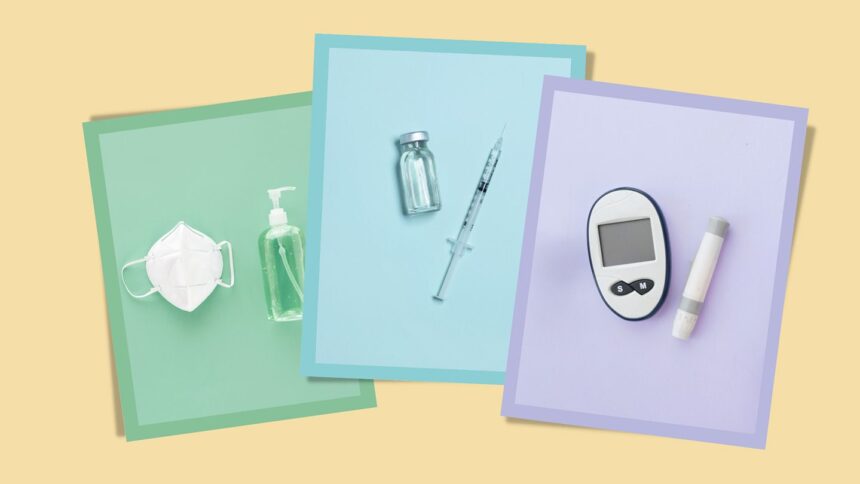
Stock Up on Supplies Stock Up on Supplies The last thing you want to do when you’re ill is get out of bed to go to the store. Instead, prepare a “sick day kit” before you need it, including the devices and other supplies required to monitor your blood sugar and correct hypoglycemia (low blood sugar) if it occurs.e60dc2a1-f33c-4a05-9b50-8e3e8e597629ca78fafc-edd0-427f-95d1-63e9248b2dbc Make sure you have the following: Glucose meter Continuous glucose monitor (CGM) supplies Ketone test strips Glucose tabs or gels Diabetes medications you need, like insulin Cold or flu medications that are safe for your blood sugar As for over-the-counter medications, keeping milk of magnesia, antidiarrheal medication, antacids, and pain relievers on hand is a good idea as well.e60dc2a1-f33c-4a05-9b50-8e3e8e59762948ddbcef-a28a-4c32-b711-8ed632412e74 Check expiration dates of medications you may have leftover from last season and replace them as needed. Keep some easy sick day groceries in your pantry, too, such as sports drinks, canned soup, fruit juice, crackers, and unsweetened applesauce. Think now about what you prefer to eat and drink when you have little appetite or are having a tough time keeping food down, as it can be tricky to find options that are easy on your system that don’t also spike your blood sugar.e60dc2a1-f33c-4a05-9b50-8e3e8e59762948ddbcef-a28a-4c32-b711-8ed632412e74
Test Your Blood Sugar More Often Frequent Blood Sugar Testing You may notice your blood sugar is more difficult to keep in range when you’re sick. That’s because your body releases stress hormones when you’re ill, which can cause blood sugar levels to rise, says Toni Isabella, RN, CDCES, manager of The MOLLY Diabetes Education and Management Center for Adults and Children in Maywood, New Jersey.e60dc2a1-f33c-4a05-9b50-8e3e8e597629266033e2-985b-46b7-aa76-e708b804960c On the flip side, if you have a poor appetite or are vomiting or have diarrhea, you could swing the other way toward hypoglycemia, says Isabella. “It’s a delicate balance, which is why monitoring your blood sugar closely is so important when you’re not feeling well,” she says. Isabella advises testing your blood sugar every two to four hours and recording the results. You can then use this log to talk to your healthcare provider about potential changes to food, fluids, and medications to help stabilize your blood glucose.
Discuss Medication Adjustments Medication Adjustments You may need to make adjustments to your diabetes medications when you’re ill. If you have the opportunity to talk to your doctor before you’re sick, you can develop a plan for how to best handle sick days. Having this plan ready to go means you know what to do if (and when) you get sick, says McDonald. “Talk with your doctor and develop a game plan for what’s right for you, including medication adjustments or changes to better manage your type 2 diabetes,” he says. Your doctor may suggest adjusting your insulin dosage, but Isabella says you shouldn’t stop taking long-acting insulin; your body uses it to manage higher blood sugar levels during illness. Meanwhile, it may be okay to pause your use of oral diabetes medications like metformin, SGLT2 inhibitors, and GLP-1 agonists under medical guidance and supervision, she says. Never stop or change your medication regimen without first talking to your prescriber.
Decide Now When You’ll Call for Help When to Seek Help Typically, you can treat yourself at home when you have a viral illness. With adequate rest, plenty of fluids, a careful eye on your blood sugar, and other “stay comfortable” care, your body can fight it off and you’ll start to feel better. However, sometimes you may need medical help. That decision will be much easier to make if you’ve already discussed with your doctor which symptoms require professional evaluation. “Patients should contact their doctor or come in to be seen in person if they have fever, vomiting, diarrhea, persistent elevated blood sugars, or muscle aches, or if symptoms last more than five days or if symptoms start to improve and then worsen again,” says McDonald. If you take a turn for the worse, McDonald advises calling 911 or going to the emergency room if you: Have uncontrolled fever Have uncontrolled vomiting or diarrhea Cannot maintain fluid intake Have severe symptoms, such as shortness of breath, chest pain, confusion, or extreme weakness
The Takeaway Individuals with type 2 diabetes face a higher risk of severe respiratory infections due to a weakened immune system, making it crucial to stay up to date on all recommended vaccinations. It can also be helpful to prepare a “sick day kit” ahead of cold and flu season, stocking up on blood sugar monitoring supplies, emergency glucose, over-the-counter medications, and easy-to-digest pantry staples. During illness, test your blood sugar frequently (every two to four hours), and follow a sick day plan created with your doctor regarding medication adjustments and when to call for professional help.
Resources We Trust Mayo Clinic: Diabetes Care: 10 Ways to Avoid Complications Centers for Disease Control and Prevention: Your Immune System and Diabetes American Diabetes Association: Planning for Sick Days Cleveland Clinic: Respiratory Virus Season: Strategies for Successful Navigation MedlinePlus: Diabetes — When You Are Sick
How to Prepare for Flu and COVID Season When You Have Type 2 Diabetes

![Cherry Pumpkin Galette [Vegan] – One Green Planet](https://top-100-recipes.com/wp-content/uploads/2025/12/Cherry-Pumpkin-Galette-150x150.jpg)
Leave a comment
Leave a comment



![Berry Lavender Poached Pears With Granola [Vegan, Gluten-Free] – One Green Planet](https://top-100-recipes.com/wp-content/uploads/2026/03/berry-lavender-poached-pears-with-granola-d-150x150.jpg)