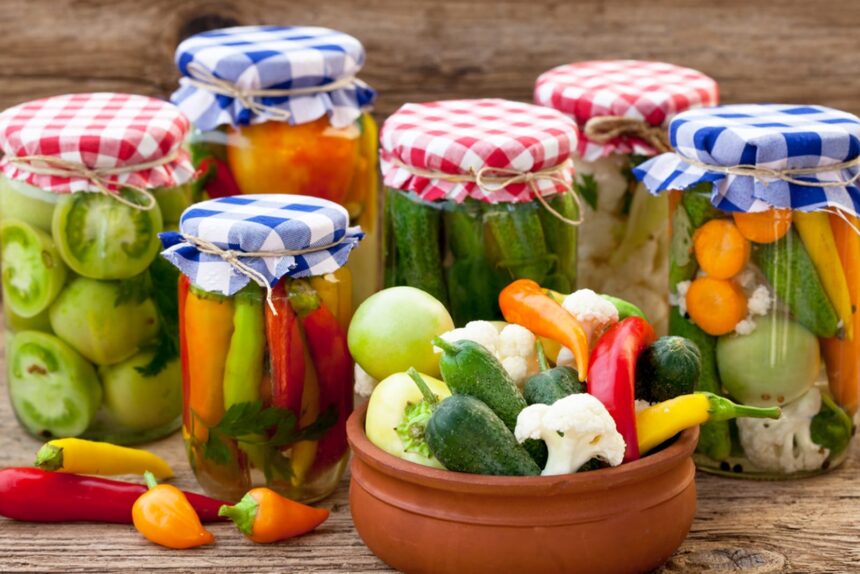
Pickling and fermenting have deep roots in Southern kitchens and global food traditions—think tangy dill spears, spicy Korean kimchi, and crisp Japanese tsukemono. Whether you’re racing to transform overflowing summer squash into quick refrigerator pickles or building a show-stopping pickle board for your next Atlanta-style barbecue, the Food Monster App has you covered. Learn essential brine ratios, spice blends, and gut-friendly fermentation tips with our top 7 pickled recipes and preservation tricks.
1. Pick Yourself Up With These 15 Healthy Pickle Recipes!

Source: Pick Yourself Up With These 15 Healthy Pickle Recipes!
Pickles are great for your gut and your health in general, and tastes so delicious when added to your favorite dish! Put them on top of your special veggie sandwich, or have them as a side dish at the dinner party. The best thing about them is that you can customize them as you want to, and use your favorite spices to get the ultimate flavors. Pick Yourself Up With These 15 Healthy Pickle Recipes! Be sure to download our Food Monster App to get all of these pickle recipes and so many more!
2. How to Make a Dynamic Pickle Board for Your Next Party

Source: How to Make a Dynamic Pickle Board for Your Next Party
For a long time, charcuterie and cheese boards were all the rage at parties. While cheese boards are self-explanatory (and plant-based eaters can make one with relative ease, too — just dice up a couple of your favorite vegan cheeses with some crackers, and arrange them artfully on a serving platter), charcuterie boards are essentially the same concept, only they’re comprised of an array of cured meats. How to Make a Dynamic Pickle Board for Your Next Party!
3. Don’t Let Your Summer Produce Go To Waste: Pickle It!

Source: Don’t Let Your Summer Produce Go To Waste: Pickle It!
The tail end of summer is upon us, which means more warming, hearty flavor combinations are about to overtake the foodscape. However, for those of us who may have gone a little overboard and picked up more seasonal produce than we were able to use up, you’ll be glad to know that you don’t have to let it go to taste.
Don’t worry — this doesn’t mean that you need to make a huge salad and scarf it all down in one go. There’s a simple and tasty solution that will not only extend the shelf life of your vibrant summer veggies but will also amp up the flavor in plenty autumn dishes. We’re talking about pickling! Don’t Let Your Summer Produce Go To Waste: Pickle It!
4. Preserving The Season: What Foods You Should Pickle And How To Do It

Source: Preserving The Season: What Foods You Should Pickle And How To Do It
North Americans may largely associate pickles with grilled foods commonly eaten while tailgating, but pickles have been loved extensively throughout the world for thousands of years. In fact, Japanese pickles, collectively known as tsukemono, are served with almost every meal to take advantage of their health benefits and ensure a variety of cooking methods are included. Preserving The Season: What Foods You Should Pickle And How To Do It
5. Fermented and Pickled Foods are Healthy and Delicious —Try These!

Source: Fermented and Pickled Foods are Healthy and Delicious —Try These!
One of the food trends for 2015 is to eat more pickled and fermented foods. We already know how popular kimchi is — a traditional Korean pickled cabbage that people are putting in and on everything! And most of us have grown up eating pickles and sauerkraut. Now we know that these foods are not only delicious but they are healthy too. Besides buying pickled and fermented foods in stores, more and more people are doing it themselves at home. Either way, you need to add more fermented and pickled foods into your diet because they are healthy and delicious. Try these recipes and you’ll be part of this latest food trend too. Fermented and Pickled Foods are Healthy and Delicious —Try These!
6. Foods You Can Pickle and How – It’s Easy!

Source: Foods You Can Pickle and How – It’s Easy!
A juicy, crispy pickle is the perfect addition to a sandwich or hamburger. Though here in the U.S., we use the term “pickle” to mean the classic cucumber in vinegar, The term “pickle” is derived from the Dutch word “pekel,” meaning brine. Pickling is a process that has been used for thousands of years across several cultures to preserve vegetables for long periods of time. To pickle vegetables, basically you make a brine out of vinegar and your choice of spices like salt, pepper, garlic, dill, and Mustardseed. Pack the veggies and brine together in a jar, seal for a couple days and store in the refrigerator for up to 2-3 months. Foods You Can Pickle and How – It’s Easy!
7. Here’s Why Fermented Foods Are Important For Gut Health

Source: Here’s Why Fermented Foods Are Important For Gut Health
Fermentation gave rise to food preservation and has been used throughout history dating back to Neolithic times way before it was revered for it’s probiotic powers. It is the easiest way to extend the shelf-life of fruits and vegetables, intensifies the flavor of whatever you choose to ferment, and delivers your belly a dose of gut wellness. Here’s Why Fermented Foods Are Important For Gut Health.
Incorporating probiotic-rich food into your diet seems to be trendy these days, but the reasoning behind this is more definitive. Here is why including fermented foods into your lifestyle is so essential to gut health.
Pickling FAQs
How do I make quick refrigerator pickles in under 24 hours?
1. Slice veggies (cucumbers, carrots, green beans) thinly.
2. Boil 1 cup vinegar + 1 cup water + 1¾ Tbsp salt + 1 Tbsp sugar.
3. Pack jars with garlic, dill, peppercorns, then veggies.
4. Pour hot brine over, seal, cool, and refrigerate at least 12 hrs.
What probiotic benefits do fermented pickles offer?
Lacto-fermented pickles (no vinegar) are teeming with live cultures. They can help balance gut flora, improve digestion, and boost immunity—especially when made with a 2–5% salt brine and fermented at 65–75°F for 3–7 days.
Which veggies and fruits work best for pickling?
Try: • Green beans, okra, pearl onions (Southern-style chili-pepper crunch) • Beets, red cabbage, watermelon rind (bright color, mild sweetness) • Peaches, apples, pears (add cardamom or star anise for a fall twist)
How long do homemade pickles last in the fridge?
Refrigerator pickles stay crisp and safe to eat for 4–6 weeks. Lacto-ferments can keep 2–3 months if submerged in brine and stored at 38–42°F.
How do I build a dynamic pickle board for my next party?
1. Choose 4–6 pickle varieties (sweet, spicy, sour).
2. Add dips: vegan ranch, spicy mustard, cashew-herb cheese.
3. Layer in textures: crackers, crusty bread, marinated olives.
4. Garnish with fresh herbs (dill, oregano) and lemon wedges.
Can I ferment pickles without vinegar?
Yes—use a simple salt brine (2 Tbsp kosher salt per quart water). Submerge veggies completely, weigh them down, and ferment 3–10 days at room temperature. The natural lactic acid will preserve and flavor them.
Need something to put your pickles on? Check out our Ultimate Thanksgiving Guide! by downloading our Food Monster App, which is available for both Android and iPhone, and can also be found on Instagram and Facebook. The app has more than 10,000 plant-based, allergy-friendly recipes, and subscribers gain access to new recipes every day. Check it out!